 ultimate-guide
Is Aircraft Dispatcher Training Worth It in 2026
Table of Contents
- What Does an Aircraft Dispatcher Actually Do
- How to Become an Aircraft Dispatcher
- FAA Part 65 Dispatcher Certification Requirements
- Aircraft Dispatcher Salary Expectations and Career Growth
- The Real Cost-Benefit Analysis of Aircraft Dispatcher Training
- Pros and Cons of a Dispatcher Career
- Is Aircraft Dispatcher Training the Right Choice for You
Last Updated: August 27, 2026
What Does an Aircraft Dispatcher Actually Do
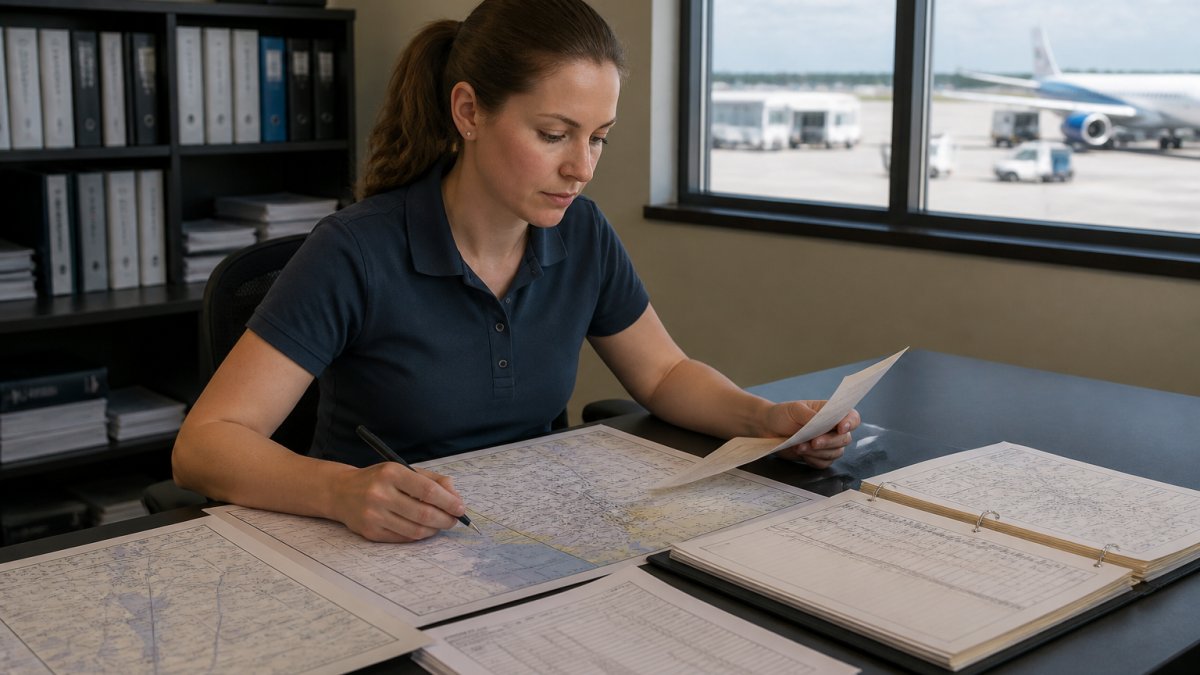
An aircraft dispatcher is a licensed professional who shares operational control of an aircraft with the pilot in command. Unlike pilots who operate the plane, dispatchers work from the ground to manage flight operations, monitor weather, plan routes, and ensure regulatory compliance before and during flight.
Dispatchers review meteorological data, calculate fuel requirements, determine safe routing, and coordinate with air traffic control, maintenance, and crew scheduling. They issue the dispatch release, the official clearance authorizing departure, and track flights continuously, managing emergencies and advising pilots on alternatives if conditions change. They work under Federal Aviation Regulations Part 121 for commercial carriers, with every decision documented and subject to FAA oversight.
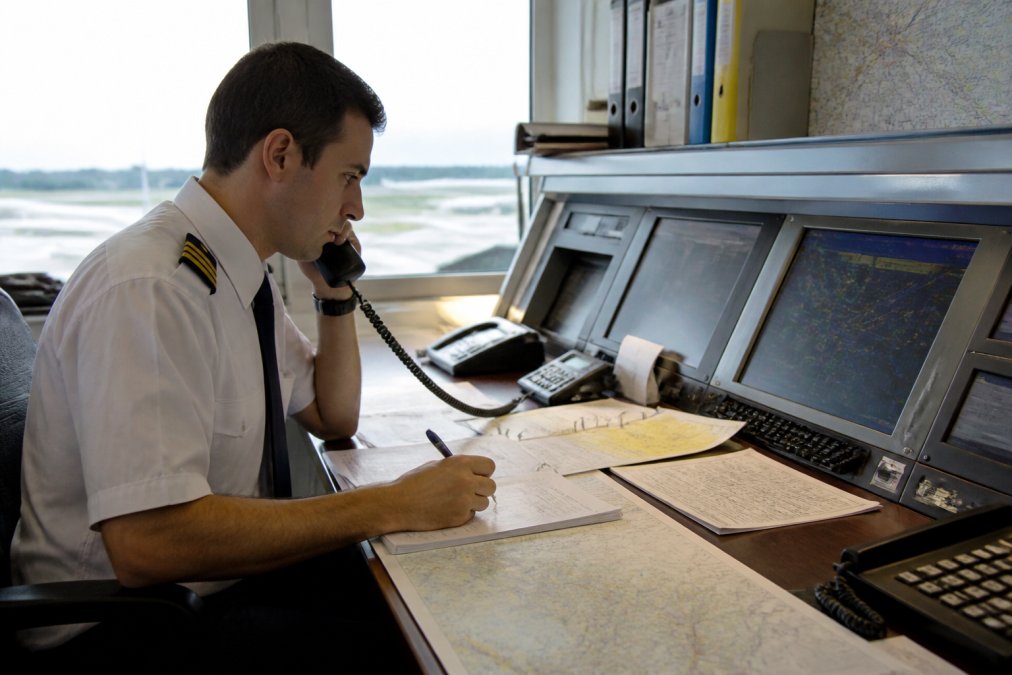
The position requires deep knowledge of aeronautical decision-making, meteorology, aviation regulations, and weight and balance calculations. Dispatchers must understand how weather affects flight paths, how fuel consumption varies with altitude and aircraft weight, and how to read aeronautical charts with precision. They manage crew scheduling, ensuring pilots have adequate rest under FAA regulations, and handle the operational logistics of keeping airlines running safely and on schedule.
What makes this role distinct is shared responsibility. The dispatcher and pilot captain together own the flight's safety and efficiency. Neither can override the other without cause. This partnership means dispatchers must think like pilots, understanding aircraft performance and emergency procedures while managing the broader operational picture pilots cannot see from the cockpit.
How to Become an Aircraft Dispatcher
Becoming an aircraft dispatcher requires completing FAA-approved Part 65 training, passing the ADX (Aircraft Dispatcher) written exam, and meeting specific experience or education requirements. The path typically takes 6-12 months.
Step 1: Meet Prerequisites You need either 2 years of experience in an aviation operation or completion of an accredited aviation program. An accredited Part 141 flight school program can substitute for the experience requirement. Many airlines hire internal candidates already working in operations, customer service, or flight crew positions.
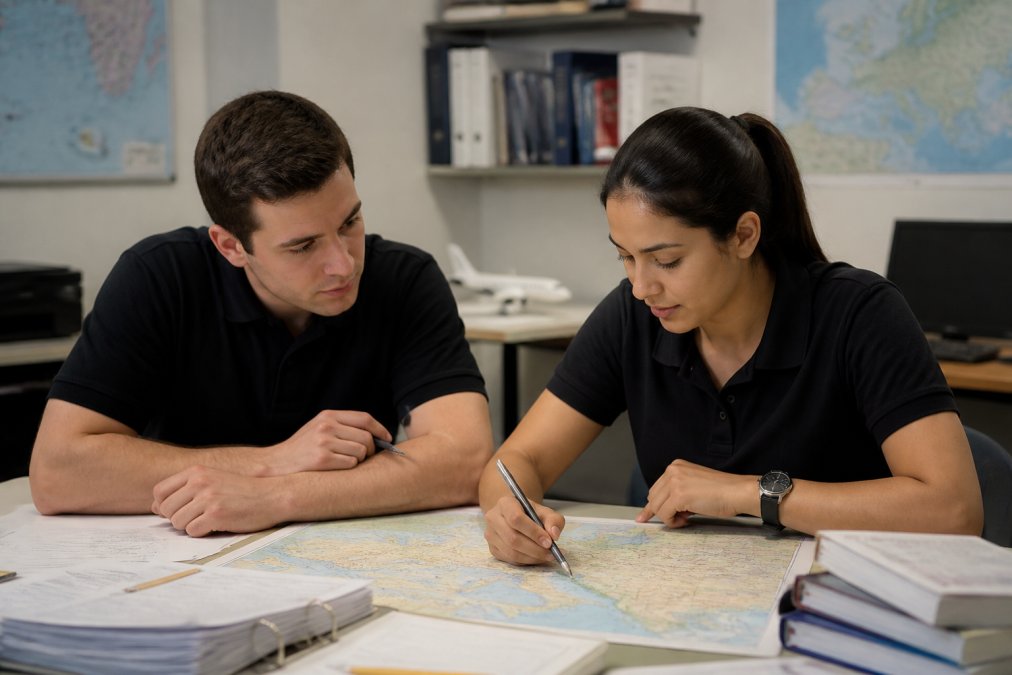
Step 2: Enroll in Part 65 Aircraft Dispatcher Training FAA-approved programs must include at least 200 classroom hours covering meteorology, aeronautical decision-making, regulations, weight and balance, flight planning, and dispatch procedures (faa.gov). Quality varies significantly. Programs like QNH LLC offer small classroom settings with experienced instructors, including former FAA dispatcher examiners and airline pilots who teach using the Socratic Method to develop critical thinking rather than rote memorization.
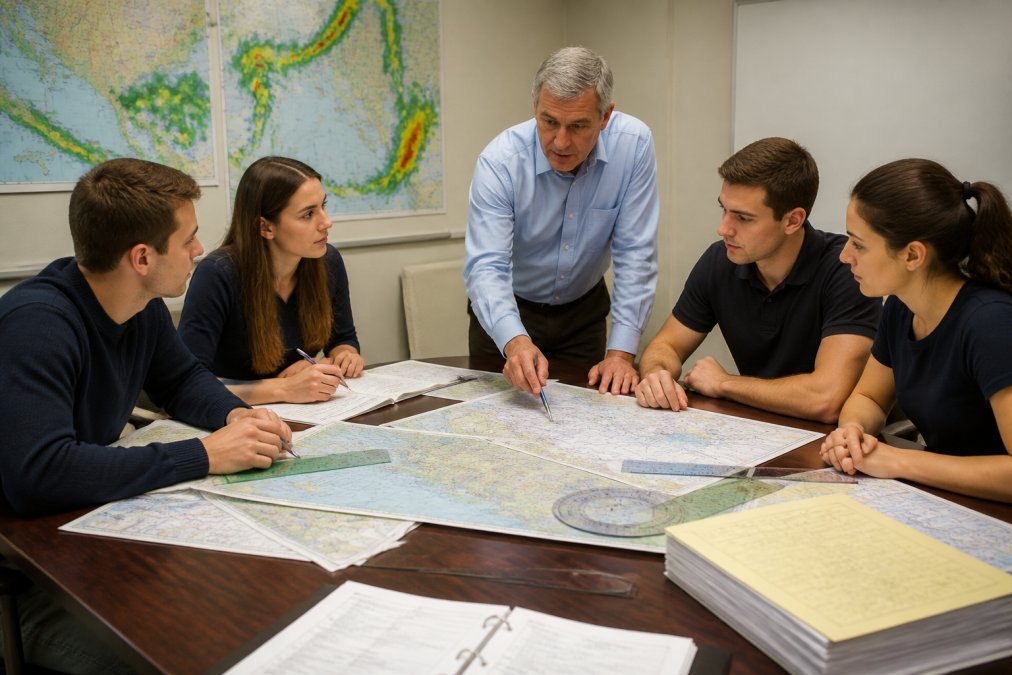
Step 3: Study for the ADX Exam The FAA written exam covers weather systems, regulations, aircraft performance, emergency procedures, and operational decision-making. Most programs include study materials. Some, like QNH LLC's fall classes, include a free Gleim Online Ground School course to supplement classroom learning.
The exam requires applying knowledge to scenarios: analyzing weather patterns, calculating fuel needs, or deciding whether conditions support departure. Quality instruction that teaches you how to think through problems, not just memorize answers, prepares you better for both the exam and the job.
Step 4: Pass the ADX Exam and Practical Evaluation You must score at least 70% on the written exam (faa.gov). The FAA also requires an oral and practical exam (checkride) with an FAA dispatcher examiner. You'll defend a flight plan you've created, explain your meteorological analysis, and demonstrate understanding of dispatch procedures under pressure.
If your training was surface-level, you'll struggle to explain your reasoning. If trained by people who've actually done the job, like QNH LLC's instructors including former FAA examiners, you'll understand not just what to do, but why.
Step 5: Apply for Your Dispatcher Certificate Once you pass both exams, you apply to the FAA for your Aircraft Dispatcher Certificate. The FAA conducts a background check and verifies your qualifications. Within weeks, you'll have your certificate and can legally hold a dispatcher position.
FAA Part 65 Dispatcher Certification Requirements
The FAA Part 65 regulations define exactly what you need to become a licensed dispatcher.
Education and Experience Requirements You must have either 2 years of experience in an aviation operation or completion of an accredited aviation program (faa.gov). The FAA accepts Part 141 flight school programs, some community college aviation programs, and other accredited alternatives. Airline employees working in operations or crew scheduling typically have that experience count toward the 2-year requirement.
Training Program Standards Your training must come from an FAA-approved Part 65 provider covering at least 200 classroom hours in 15 specific topics: weather systems and meteorology, aeronautical decision-making, regulations, aircraft performance, weight and balance, dispatch procedures, flight planning, navigation, emergency procedures, crew scheduling, fuel management, air traffic control coordination, operational control, and practical dispatch scenarios.
Not all 200-hour programs are equal. A program dedicating 40 hours to meteorology produces better-prepared dispatchers than one covering it in 15 hours. Programs led by former FAA examiners and experienced dispatchers go deeper into practical application rather than just checking boxes.
The ADX Examination You must pass the FAA written exam with a minimum score of 70%. The exam covers all 15 topic areas and tests both knowledge and application. You'll analyze weather maps, calculate fuel requirements, review NOTAMs (Notices to Airmen), and make operational decisions.
The practical portion, oral and checkride with an FAA examiner, is where many candidates struggle if their training was weak. You'll create a flight plan, explain your meteorological analysis, discuss regulatory compliance, and defend your decisions under questioning.
Regulatory Knowledge Requirements You must demonstrate knowledge of Federal Aviation Regulations Part 121 (airline operations), Part 91 (general flight rules), and Part 25 (aircraft certification standards). You need to understand crew rest requirements, duty time limitations, aircraft performance capabilities, and weather minimums for operations.
Ongoing Compliance Once you hold your certificate, the FAA expects you to maintain proficiency and comply with all regulations. Airlines have additional training and qualification requirements beyond the FAA minimum. You'll participate in recurrent training and stay current with regulatory changes throughout your career.
Aircraft Dispatcher Salary Expectations and Career Growth
Dispatcher compensation varies by airline, seniority, and location, but the role offers solid earning potential and clear career progression.
Entry-level dispatchers at regional airlines earn less than those at major carriers. As you gain seniority and move to larger airlines, salary increases significantly. Dispatchers at major carriers often earn six-figure salaries after 10-15 years, especially when including overtime and shift differentials.
Senior dispatchers can move into supervisory roles managing other dispatchers and overseeing dispatch operations. Some advance into training, quality assurance, or management positions within airline operations. Others transition into flight operations planning, safety analysis, or regulatory compliance.
Seniority-based pay structures mean your earnings grow predictably over time. The longer you're with a carrier, the higher your pay and the better your schedule preferences. Shift work affects quality of life but means premium pay. Dispatchers work 24/7 operations, so you'll work nights, weekends, and holidays. Airlines compensate with shift differentials, typically 15-20% more for undesirable hours.
Job security in aviation is relatively strong. Airlines need dispatchers to operate, and experienced dispatchers are valuable. Economic downturns affect hiring, but dispatchers are less vulnerable to layoffs than some aviation roles because they're essential to daily operations.
The Real Cost-Benefit Analysis of Aircraft Dispatcher Training
Whether aircraft dispatcher training is worth it depends on your priorities, financial situation, and career goals.
The Investment Training programs vary in cost, duration, and intensity. A comprehensive program like QNH LLC's FAA-approved Part 65 course requires 200 classroom hours, typically completed over 8-12 weeks full-time or longer part-time. Factor in exam fees, study materials, and potentially relocation if attending an in-person program. Some programs include resources like ground school; others require additional purchases.
The Return If you secure a dispatcher position at a major airline, the salary trajectory justifies the investment. The role offers job security, benefits, and pension plans that many careers lack.
However, not every graduate lands a major carrier position immediately. Some start at regional airlines with lower pay, then advance. The job market for dispatchers fluctuates with airline hiring cycles.
Hidden Costs Shift work affects lifestyle and health. Rotating nights and weekends create stress, disrupt sleep patterns, and complicate personal relationships. Commuting to airline bases can be expensive and time-consuming. Major airline hubs are concentrated in specific cities, potentially requiring relocation or a second residence.
The Break-Even Point If you earn an average dispatcher salary at a major carrier, you'll break even on training costs within a few years. After that, the income advantage over many alternative careers can become substantial. If you stay 20+ years, the lifetime earnings advantage is significant.
Pros and Cons of a Dispatcher Career
Pros:
Strong earning potential with clear salary progression and overtime opportunities. Job security and stability, airlines operate continuously and dispatchers are essential. Defined career path with advancement into supervision, training, management, or specialized roles. Professional, intellectual work solving real problems and making decisions affecting safety. Comprehensive benefits and pension plans.
Cons:
Shift work and schedule unpredictability disrupting sleep, personal relationships, and health. High-stress decision-making under pressure. Commuting and potential relocation to airline bases. Significant training time and cost before earning. Competitive hiring requiring exam passage, background checks, and competition with other candidates. Limited flexibility once hired, airline operations are rigid.
Is Aircraft Dispatcher Training the Right Choice for You
Do you thrive on shift work? If you've worked shift jobs and adapted well, you have realistic expectations. If not, talk to active dispatchers about the reality before committing.
Are you motivated by problem-solving under pressure? Dispatchers make decisions affecting safety while managing competing priorities and incomplete information. If this energizes you, the role suits you.
Can you commit to the training timeline? A 200-hour program requires sustained focus. Assess whether you can sustain that commitment.
Do you have realistic expectations about entry-level positions? Many dispatchers start at regional airlines with lower pay, then advance. If you need high income immediately, this might not be the fastest path.
Are you genuinely interested in aviation operations? The best dispatchers care about aviation and find the work meaningful. If you're chasing salary without genuine interest, you'll likely burn out during shift work.
Does your financial situation support training? Training costs money and takes time away from earning. Assess whether you have savings or can study part-time while working.
Talk to active dispatchers about their actual experience. Their honest perspectives matter more than any guide.
QNH LLC's program stands out because it prepares you for the actual job, not just passing the exam. Instructors, former FAA examiners, airline pilots, and experienced dispatchers, teach you how to think like a dispatcher. Small classroom settings provide feedback on your reasoning. The free Gleim Online Ground School included with fall classes offers study support beyond the classroom.
The decision comes down to whether the career's rewards align with your values and lifestyle preferences. The salary and job security are real. The shift work and stress are also real. Honest self-assessment about which matters more determines whether aircraft dispatcher training is worth it.
Aircraft dispatcher training is worth pursuing if you're genuinely interested in aviation operations, can adapt to shift work, and want a career with strong earning potential and job security. QNH LLC's FAA-approved Part 65 program prepares you with rigorous instruction from experienced examiners and dispatchers, small-class personalized attention, and comprehensive knowledge in meteorology, aeronautical decision-making, and aviation regulations. Reserve now to begin your path toward becoming a hireable dispatcher candidate ready for the aviation industry.
Frequently Asked Questions
Q: Is aircraft dispatcher a good career?
A: Aircraft dispatcher roles offer stable employment with strong job security in the aviation industry. The career provides competitive compensation, clear advancement pathways, and the satisfaction of ensuring flight safety. However, the work involves rotating shifts, on-call responsibilities, and high-stress decision-making during emergencies. Whether it's a good fit depends on your tolerance for irregular schedules and your commitment to aviation safety and regulatory compliance.
Q: What is the typical duration of FAA-approved aircraft dispatcher training?
A: FAA-approved Part 65 dispatcher certification programs typically require 200 classroom hours of instruction, plus self-study and exam preparation time. Most full-time programs complete this coursework in 4-6 weeks, while part-time options extend over several months. After classroom training, you'll need to study for and pass the ADX written exam, oral exam, and practical evaluation, which can take an additional 4-8 weeks depending on your preparation pace and exam scheduling.
Q: How much money does an aircraft dispatcher make?
A: Entry-level aircraft dispatchers typically earn between $35,000 and $45,000 annually at regional carriers. Major airlines and Part 121 carriers offer higher starting salaries, often $50,000 to $60,000 or more. With experience and seniority, dispatchers can earn $80,000 to $120,000+ annually, depending on the airline, location, and additional certifications. Compensation packages often include benefits like health insurance, retirement plans, and flight benefits, which add significant value beyond base salary.
Q: Are aircraft dispatchers in high demand?
A: Yes, aircraft dispatchers remain in steady demand across the aviation industry. The FAA and commercial airlines consistently hire qualified dispatchers to maintain flight operations and ensure regulatory compliance. Job growth is supported by increasing air traffic, airline expansion, and retirements in the field. However, demand varies by region and airline, so networking and obtaining your FAA certificate significantly improve your employment prospects in this competitive market.
This article was written using GrandRanker