 ultimate-guide
FAA Part 65 Dispatcher Training Requirements: 2026 Guide
Table of Contents
- What Is FAA Part 65 Aircraft Dispatcher Certification?
- Core Eligibility Requirements for Part 65 Certification
- How to Become a Certified Aircraft Dispatcher
- Aircraft Dispatcher Training Duration and Curriculum
- Aircraft Dispatcher Certification Cost and Program Options
- The ADX Written Exam: Content and Study Strategy
- Part 65 vs. Part 121 Operations: Understanding the Distinction
- Career Path and Salary Expectations
Last Updated: August 24, 2026
What Is FAA Part 65 Aircraft Dispatcher Certification?
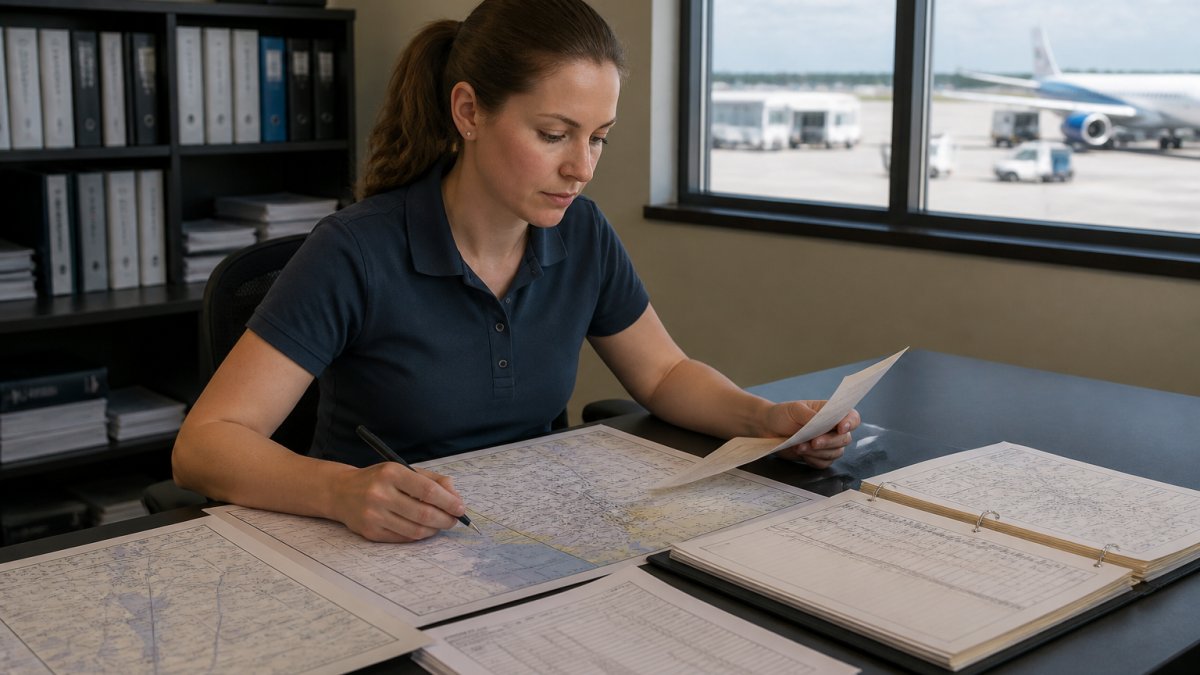
An Aircraft Dispatcher Certificate under FAA Part 65 is a federal credential authorizing individuals to exercise operational control over aircraft flights on behalf of an airline or air operator. Unlike pilots who command aircraft in the air, dispatchers work from ground operations and make critical decisions about flight routing, weather analysis, weight and balance, and regulatory compliance. A certified dispatcher shares responsibility with the pilot in command for safe and legal flight operations.
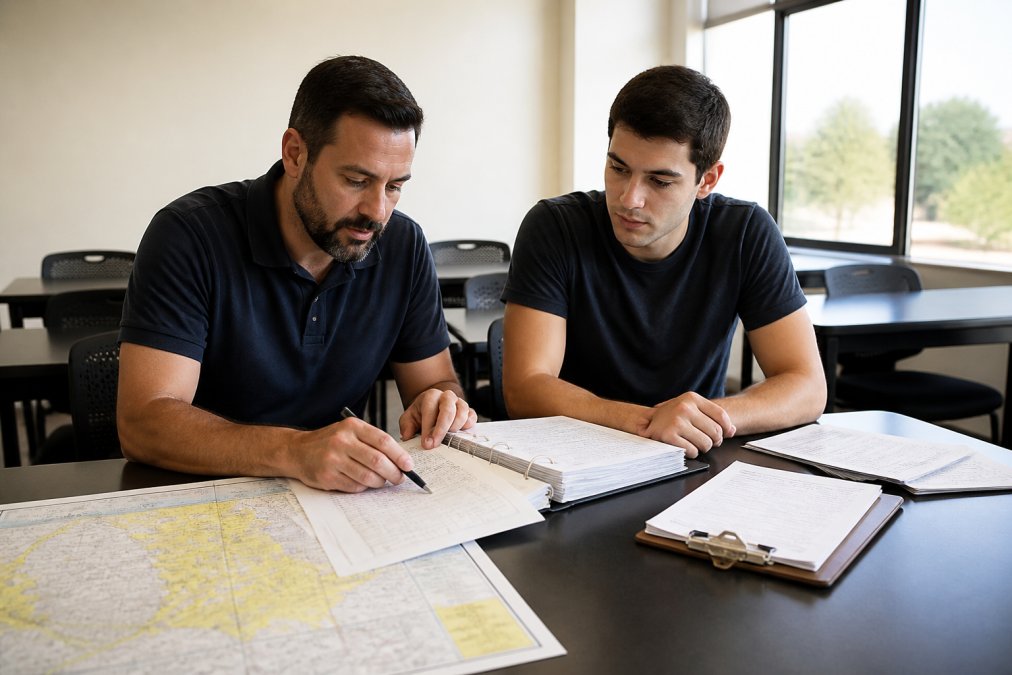
QNH LLC delivers FAA-approved Part 65 Aircraft Dispatcher Certification training that prepares candidates for this demanding role, emphasizing both theoretical knowledge and practical application.
Core Eligibility Requirements for Part 65 Certification
Before enrolling in formal training, you must meet specific FAA eligibility criteria.
Age and English Language Proficiency
You must be at least 23 years old at the time of application (faa.gov). English language proficiency is non-negotiable, you must read, write, speak, and understand English at a level sufficient to exercise operational control over aircraft, including understanding clearances, weather briefings, and technical documentation.
Aviation Experience and Knowledge Prerequisites
The FAA requires at least one year of aeronautical experience (faa.gov). Qualifying experience includes flight time as a pilot, work as a flight engineer, air traffic controller, aviation mechanic, or employment in airline operations, crew scheduling, or flight operations. Some candidates meet this requirement through a combination of roles, for example, six months of flight attendant experience plus six months in aircraft maintenance.
Before formal training begins, you should have basic familiarity with aircraft systems, aviation terminology, and the regulatory environment.
How to Become a Certified Aircraft Dispatcher
The pathway to certification involves four distinct phases: enrolling in approved training, completing classroom instruction, passing the written exam, and demonstrating competency in the practical test.
Step 1: Enroll in an FAA-Approved Training Course
Select an FAA-approved Part 65 training provider from the FAA's list of certificated training schools. An approved course ensures the curriculum covers all required topics and instructors meet qualification standards.
When evaluating programs, consider the instructional approach. QNH LLC delivers intensive classroom-based training with instructors who are college professors, airline pilots, and former FAA Dispatcher Examiners. This hands-on approach allows for immediate feedback and real-world scenario discussion.
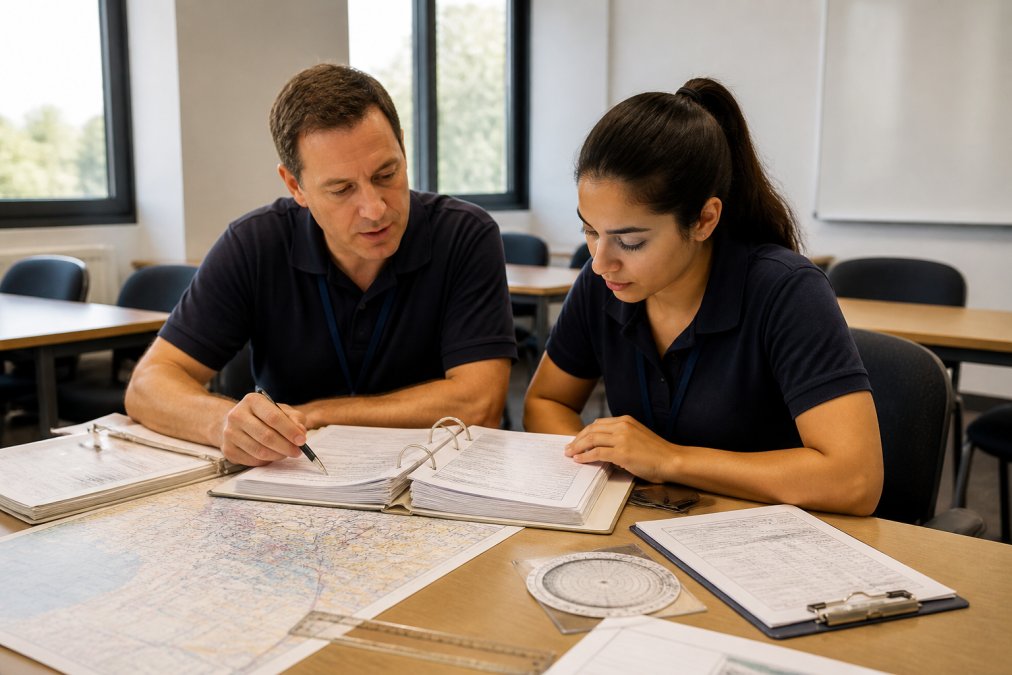
Verify that the program includes all required curriculum elements: meteorology, aerodynamics, flight planning, weight and balance, regulations, and emergency procedures. Ask prospective providers about their pass rates on the ADX Written Exam and graduates' hiring success.
Step 2: Complete Classroom and Ground School Instruction
The FAA mandates a minimum of 200 classroom hours of instruction (faa.gov). Ground school covers meteorology (weather pattern analysis, storm recognition), aerodynamics (aircraft performance, weight and balance principles), flight planning (constructing efficient, safe routes), regulatory requirements (14 CFR Part 65 Subpart C), and emergency procedures (system failures, medical emergencies, security threats).
Step 3: Prepare for and Pass the ADX Written Exam
The Aircraft Dispatcher Knowledge Test (ADX) measures your mastery of dispatcher knowledge through scenario-based questions. Expect questions on meteorology, aerodynamics, flight planning, regulations, and emergency procedures that require you to make appropriate decisions or identify correct procedures.
Effective study requires structured preparation: review ground school notes systematically, use practice exams to identify knowledge gaps, and study in small groups to develop critical thinking.
Step 4: Complete the Practical Test
After passing the ADX, you'll schedule your practical test with an FAA Dispatcher Examiner. This test evaluates your ability to apply knowledge in realistic operational scenarios, including weight and balance calculations, flight planning, weather analysis, and emergency response.
Aircraft Dispatcher Training Duration and Curriculum
Minimum Classroom Hours and Content Standards
The FAA specifies a minimum of 200 classroom hours of direct instruction. This represents the regulatory baseline reflecting the complexity of knowledge and skills required to safely exercise operational control over aircraft. QNH LLC delivers all 200 hours as classroom instruction with experienced aviation professionals.
Key Topics: Meteorology, Aerodynamics, Flight Planning, and Regulations
Meteorology training teaches you to interpret weather maps, recognize hazardous weather, and assess how weather impacts flight operations. Aerodynamics covers how aircraft perform under different conditions, weight, balance, altitude, and temperature effects. Flight planning instruction teaches you to construct efficient, compliant flight plans considering fuel, airspace restrictions, and weather routing. Regulatory knowledge encompasses 14 CFR Part 65 Subpart C requirements and crew duty time limitations.
Practical Skills: Weight and Balance, Emergency Procedures
Weight and balance calculations are critical practical skills. You'll learn to calculate aircraft center of gravity and verify that loading is within limits. Emergency procedures training ensures you can recognize abnormal situations and coordinate appropriate responses with pilots and air traffic control.
Aircraft Dispatcher Certification Cost and Program Options
What Affects Training Investment
Program length, instructor qualifications, and delivery method influence cost. QNH LLC includes a free Gleim Online Ground School course with fall class registration.
In-Person vs. Online and Hybrid Models
In-person classroom training offers immediate interaction with instructors and peers, real-time feedback, and small class sizes for personalized attention. This approach is particularly valuable for complex topics like weight and balance calculations.
Online programs offer flexibility but require significant self-discipline and independent problem-solving. Hybrid models combine online instruction with periodic in-person sessions, offering flexibility while preserving hands-on learning opportunities.
The ADX Written Exam: Content and Study Strategy
What the Aircraft Dispatcher Knowledge Test Covers
The ADX assesses mastery of all ground school topics through scenario-based questions presenting realistic dispatch situations. Meteorology questions ask you to interpret weather charts and recommend routes avoiding hazardous conditions. Aerodynamics questions present weight and balance data. Flight planning questions ask you to construct flight plans considering fuel, weather, and airspace constraints. Regulatory questions test Part 65 knowledge. Emergency procedure questions present abnormal situations.
Effective Study Techniques for the ADX
Actively engage with ground school notes by creating summaries, flashcards, and concept maps. Practice exams familiarize you with test format and identify knowledge gaps. Study groups accelerate learning through peer discussion. Focus on understanding principles rather than memorizing facts, questions test your ability to apply knowledge to new situations.
Part 65 vs. Part 121 Operations: Understanding the Distinction
Part 121 operations cover scheduled air carriers operating regular routes with published schedules. Part 65 refers to the regulatory framework for dispatcher certification itself, applying to all operators using dispatchers. Part 135 charter operators also employ Part 65-certified dispatchers. The regulatory requirements for dispatcher certification remain consistent across all operation types.
Career Path and Salary Expectations
Entry-Level Dispatcher Roles and Advancement
Entry-level positions typically involve less desirable shifts while you build experience and seniority. You'll start with less complex routes and gradually assume responsibility for higher-traffic operations. Advancement follows seniority-based progression, with access to better shifts and more prestigious routes. Some dispatchers transition into supervisory roles or specialize in international operations, cargo dispatch, or training.
Post-Certification Recurrent Training and Continuing Education
After obtaining your certificate, you're required to maintain it through recurrent training. Airlines typically mandate annual or biennial recurrent training covering regulatory updates, procedural changes, and proficiency assessments. Many dispatchers pursue additional certifications or specializations like international dispatch or training as dispatch examiners.
Becoming a certified aircraft dispatcher requires commitment to rigorous training and comprehensive knowledge development. QNH LLC's FAA-approved Part 65 Aircraft Dispatcher Certification program delivers intensive, instructor-led training with 200 classroom hours taught by college professors, airline pilots, and former FAA Dispatcher Examiners. Small class sizes ensure personalized attention and immediate feedback. Reserve now to begin your pathway to a stable, respected career in aviation dispatch.
Frequently Asked Questions
What are the age and language requirements for an FAA aircraft dispatcher certificate?
You must be at least 23 years old to apply for the Aircraft Dispatcher Certificate under 14 CFR Part 65. You must demonstrate English language fluency, both written and spoken, to communicate clearly with pilots and other aviation professionals. The FAA evaluates your ability to read, speak, write, and understand English as part of the certification process.
How many classroom hours are required for FAA Part 65 dispatcher training?
The FAA requires a minimum of 200 classroom hours of instruction for aircraft dispatcher certification under 14 CFR Part 65, Subpart C. These hours must be completed at an FAA-approved training course and cover the mandatory curriculum including meteorology, aerodynamics, flight planning, aviation regulations, weight and balance, and emergency procedures. The 200-hour requirement ensures you gain the aeronautical knowledge and operational control skills necessary to pass the Aircraft Dispatcher Knowledge Test and practical examination.
What is the difference between Part 65 and Part 121 operations?
14 CFR Part 65 establishes the certification requirements and standards for aircraft dispatchers themselves. Part 121 governs commercial air carrier operations and defines how airlines must operate, including their requirement to employ certified dispatchers. A Part 65 dispatcher works under Part 121 airline operations. Understanding both regulations is essential because your dispatcher certificate authorizes you to work for Part 121 carriers, and you must understand their operational control requirements to perform your duties effectively.
Do I need prior aviation experience to enroll in a Part 65 training program?
Prior aviation experience is not mandatory to enroll in FAA-approved Part 65 training, but some flight operations background helps. Training programs teach fundamental aeronautical knowledge from the ground up, covering meteorology, aerodynamics, and aviation safety principles. Regardless of background, rigorous ground school instruction and hands-on training in weight and balance computations and flight planning ensure you master the operational concepts required by the FAA.
How do I maintain my FAA aircraft dispatcher certificate after graduation?
After earning your Aircraft Dispatcher Certificate, you must comply with recurrent training and continuing education requirements. Dispatchers must complete recurrent training at intervals set by their employer, typically annually or biennially, covering regulatory updates, emergency procedures, and operational changes. Your certificate remains valid as long as you maintain compliance with these training standards and any medical or regulatory requirements. Staying current with Advisory Circular updates and industry safety bulletins is also part of professional responsibility in aviation safety.
How long does it take to complete aircraft dispatcher training?
The minimum training duration is determined by the 200-hour classroom requirement under 14 CFR Part 65. Full-time programs typically complete this in 4-6 weeks, while part-time or evening programs may extend to 12-16 weeks depending on schedule intensity. After classroom completion, you must prepare for and pass the Aircraft Dispatcher Knowledge Test (ADX) and the practical examination. Total time from enrollment to certification usually ranges from 2-4 months for full-time students, depending on exam preparation and scheduling.
What topics are covered in the FAA aircraft dispatcher certification exam?
The Aircraft Dispatcher Knowledge Test (ADX) examines your mastery of meteorology, aerodynamics, aviation regulations, flight planning, weight and balance calculations, emergency procedures, and operational control principles. You must demonstrate understanding of 14 CFR Part 65 and related Advisory Circulars, as well as practical knowledge of aircraft performance, weather analysis, and crew resource management. The exam tests both theoretical knowledge and the ability to apply that knowledge to real-world dispatch scenarios, ensuring you can support safe flight operations.
This article was written using GrandRanker