 ultimate-guide
Is Aircraft Dispatcher Training Hard? A 2026 Guide
Table of Contents
- What Makes Aircraft Dispatcher Training Hard
- FAA Part 65 Dispatcher Requirements You Must Meet
- The 200-Hour Curriculum: What You Actually Study
- How to Choose the Best FAA Approved Dispatcher Schools
- Aircraft Dispatcher Salary Expectations and Career Outlook
- Study Habits That Get You Through Dispatcher Training
- Frequently Asked Questions
Last Updated: September 20, 2026
What Makes Aircraft Dispatcher Training Hard
The honest answer to "is aircraft dispatcher training hard" is yes, but not for the reason most people assume. The difficulty isn't raw intelligence; it's the sheer volume of interconnected material you must hold in your head at once. This guide from QNH LLC breaks down exactly where the friction lives. Aircraft dispatcher training is a structured, FAA-regulated certification process that combines meteorology, flight planning, regulations, and emergency procedures into a single high-stakes skill set.
FAA Part 65 Dispatcher Requirements You Must Meet
The FAA sets clear eligibility gates before you ever sit in a classroom. Meeting them is the first filter, and it eliminates some applicants early.
Age, Language, and Medical Prerequisites
You must be at least 23 years old to receive your dispatcher certificate, though you can begin training earlier. You need to read, speak, write, and understand English fluently. No medical certificate is required, which surprises many career changers. A clean record matters too, since FAA regulations on certificate eligibility govern who qualifies.
Written, Oral, and Practical Exam Standards
Three exams stand between you and certification. The written exam (ADX) is a computer-based knowledge test. The oral exam is a face-to-face interrogation by an FAA examiner. The practical test requires you to build and defend a real flight plan. Most candidates find the oral and practical portions harder than the written test because they demand live reasoning, not recall.
| Exam Stage | Format | What It Tests | Common Sticking Point |
|---|---|---|---|
| Written (ADX) | Computer-based, multiple choice | Regulations, meteorology, flight planning | Volume of material |
| Oral | One-on-one with examiner | Applied judgment, weather analysis | Thinking on your feet |
| Practical | Build and defend a flight plan | Dispatch release, fuel, alternates | Defending decisions under pressure |
The 200-Hour Curriculum: What You Actually Study
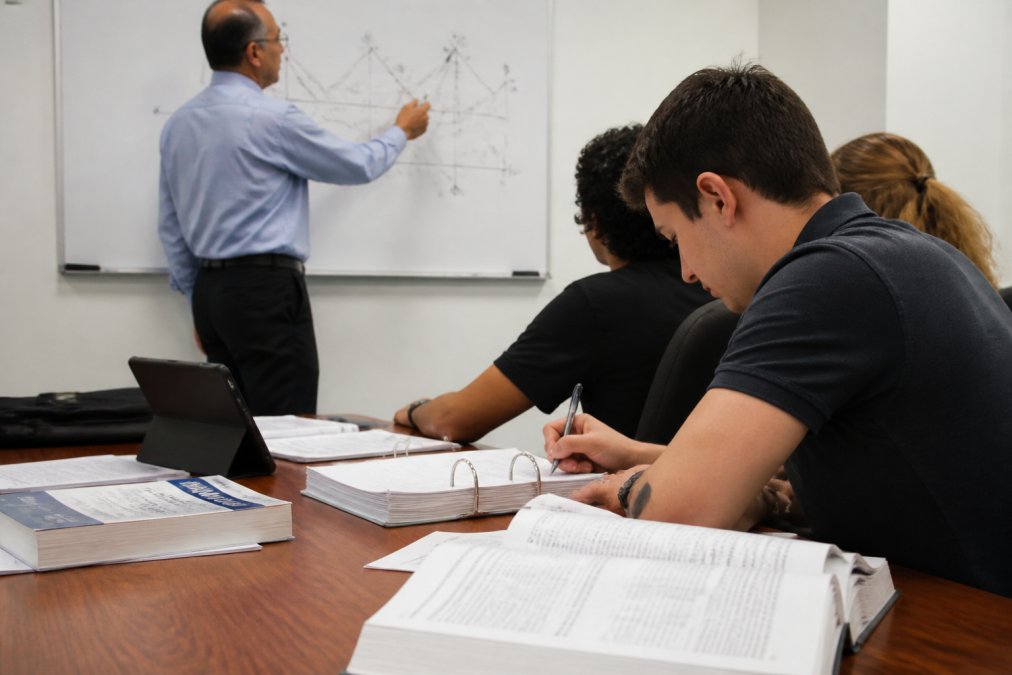
The FAA requires a minimum of 200 instructional hours for approved programs, and the curriculum is dense by design. A common mistake is treating these hours as passive lecture time. They aren't. You're building a working model of how a flight operates from gate to gate, and every subject connects to the next.

Meteorology, Flight Planning, and Weight and Balance
Aviation meteorology is where many students hit their first wall. You learn to read weather analysis charts, interpret forecasts, and decide whether conditions allow a safe release. Flight planning builds on that: fuel calculations, alternate selection, and routing. Weight and balance is the math-heavy component, and it's where students who struggled with math often worry most. The good news is that weight and balance follows fixed formulas.
How to Choose the Best FAA Approved Dispatcher Schools
Selection comes down to instruction quality, not marketing claims. The best FAA approved dispatcher schools share a few traits: small class sizes, instructors with real airline or examining experience, and a curriculum that prepares you to defend a flight plan, not just pass a written test. Ask three questions before enrolling. First, who teaches the course, and have they worked as dispatchers or examiners?
Aircraft Dispatcher Salary Expectations and Career Outlook
Aircraft dispatcher salary expectations vary widely by experience, airline size, and region, so treat any single figure with caution. The spread is real, and it is driven by three things: which certificate you hold, which carrier hires you first, and how long you stay.
Starting Pay Versus Experienced Earnings
New dispatchers generally start on the lower end of the pay scale, while experienced dispatchers at major carriers earn considerably more. Overnight shifts, holiday coverage, and seniority all affect total compensation. Rather than chase a headline number, focus on getting hired and building hours. Career progression in this field rewards retention and technical proficiency more than job-hopping.
The Cost-of-Entry Math Most Guides Skip
Here is the gap between passing the exam and earning a paycheck. A 200-hour FAA-approved dispatcher course requires tuition, plus the FAA written exam fee, the practical test fee, and potential travel and living expenses during training. Candidates who quit a full-time job to train full-time should plan for a longer runway.
What the Hiring Pipeline Actually Looks Like
Airlines are required to staff certified dispatchers for their operations, so the career outlook is structurally stable. But the pipeline has a shape most applicants don't anticipate. Regional carriers hire more frequently and with lower experience thresholds; they are the standard entry point. Major passenger and cargo carriers typically want two to five years of 121 or 135 dispatch experience before they will interview you.
Schedule Reality and Its Effect on Earnings
Dispatch is a 24/7 operation. New hires almost always start on nights, weekends, and holidays, because seniority governs shift bidding. That schedule is not just a lifestyle factor, it affects your effective hourly rate if you are comparing offers. Two carriers paying the same base salary can feel very different if one has a stronger shift differential or a faster path to day shifts.
Study Habits That Get You Through Dispatcher Training
Passing comes down to disciplined preparation, not talent. But before you build a study plan, it helps to understand what the training is actually asking your brain to do, because the difficulty is not uniform across subjects, and the students who struggle most are usually the ones who study everything the same way.
The Specific Mental Skills That Get Tested
Dispatcher training leans on four cognitive skills, and most candidates are strong in two and weak in two. Knowing which is which lets you front-load your effort.
- Spatial reasoning. Reading a sectional chart, visualizing an airway structure, and holding a mental picture of where an aircraft is relative to weather, terrain, and alternates. This is the skill that separates people who "get" flight planning quickly from those who need repetition.
- Meteorology interpretation. Not memorizing cloud types, but reading a prognostic chart and deciding whether a front will close your alternate before the aircraft arrives. It is pattern recognition under uncertainty.
- Applied arithmetic. Fuel burn, weight and balance, and time-speed-distance problems. The math itself is not advanced, it is algebra and unit conversion, but it is unforgiving, because a decimal error in fuel load is a safety error, not a grade deduction.
- Regulatory recall under pressure. Knowing which FAR applies to a given scenario and being able to cite it in the oral exam without flipping through a book.
Why the Material Feels Heavier Than It Is
The curriculum compounds. Weather feeds flight planning, flight planning feeds the dispatch release, the release feeds the regulations that govern it. Miss a week of meteorology and you will not just be behind in meteorology, you will be lost in flight planning the following week. This is why cramming fails in dispatcher training in a way it sometimes works in other certificate programs.
A Study Plan Built Around the Exams
A structured approach helps:
- Review weather charts for 20 minutes daily
- Build one full flight plan each week
- Quiz yourself on regulations every other day
- Practice defending a dispatch release out loud
- Track weak areas and revisit them weekly
Practicing the Oral Exam Before You Take It
The oral exam is where most candidates lose their nerve, and it is the easiest part to rehearse. The examiner is not looking for a recitation, they are looking for you to reason out loud through a scenario. Practice by narrating your decisions: why this alternate, why this fuel load, why this routing. Record yourself and listen back.
Balancing Training With the Rest of Your Life
Many candidates train while working, and the 200-hour requirement is usually spread across several weeks or months rather than compressed into a sprint. The students who finish without burning out tend to protect two things: sleep and a fixed study window. Sacrificing sleep to study more is a net loss, because the material requires retention, not exposure. If you are coming from outside aviation with no dispatcher experience, expect the first few weeks to feel overwhelming. That's normal.
Frequently Asked Questions
How hard is it to pass the FAA Aircraft Dispatcher exam?
The ADX written exam covers 80 questions across meteorology, flight planning, navigation, regulations, and air traffic control procedures, and you need a 70% to pass. The oral and practical test is harder for most people because you must defend a complete flight plan in front of an FAA examiner, including a dispatch release, weather analysis, and emergency procedures. Training programs that include practical weight and balance computations and timed flight planning drills prepare you for that pressure far better than written-test prep alone.
Do I need a college degree to become an aircraft dispatcher?
No. FAA Part 65 dispatcher requirements do not include a degree. You must be at least 23 years old, read and speak English fluently, and pass the written, oral, and practical exams. Most candidates complete a 200-hour FAA-approved certification course instead. That said, many airlines prefer some college coursework or prior aviation background, so strong technical proficiency and a clean training record matter more than a diploma.
How much math is involved in aircraft dispatcher training?
The math is practical, not theoretical. You will work with weight and balance computations, fuel burn calculations, time-speed-distance problems, and basic unit conversions. If you struggled with algebra in school, you can still succeed because the formulas are applied to real flight scenarios and repeated until they become routine. Small class sizes with individual attention make a real difference here, since you can ask questions the moment a calculation stops making sense.
What is the job market like for new aircraft dispatchers?
Airlines hire dispatchers steadily, but entry-level roles at major carriers are competitive. Regional airlines and charter operators are the most common first jobs, and many dispatchers move to majors after two to four years. Aircraft dispatcher salary expectations reflect that progression. On-the-job training and a clean certification record from an FAA-approved Part 65 program improve your odds of getting hired quickly.
Aircraft dispatcher training is genuinely hard, but the difficulty is manageable with the right structure and the right instructors. If you want rigorous, FAA-approved Part 65 training with small classes, individual attention, and instruction from experienced airline pilots and former FAA Dispatcher Examiners, QNH LLC delivers a 200-classroom-hour curriculum that prepares you to defend a flight plan with confidence. Reserve your seat and start building the career you're aiming for.