 ultimate-guide
7 Essential Sheffield Travel Tips for First-Time Visitors
Last Updated: October 26, 2026
Quick Summary
Sheffield travel rewards first-time visitors who plan around the city's compact quarters, using the free city-center attractions, the Kelham Island Museum for the steel story, and buses or trams to reach the Peak District trails. Base yourself in the city center for walkable access, book one dinner in advance, and confirm rural bus times before any moorland walk.
- The Peace Gardens, Winter Garden, and Millennium Gallery are free and within minutes of each other.
- Kelham Island Museum is typically open Wednesday through Sunday, but hours shift seasonally.
- A two-day itinerary should group days by quarter to avoid excessive bus time.
- Late spring through early autumn offers the longest daylight for moorland trails.
- Rural bus frequencies drop sharply on Sundays and public holidays, so confirm your return trip.
Table of Contents
- Why Sheffield Deserves a Spot on Your Travel List
- Things to Do in Sheffield: Attractions and Landmarks
- A Practical Sheffield Weekend Itinerary
- Sheffield Local Food: What to Eat and Where
- The Best Time to Visit Sheffield for Weather and Crowds
- Getting There and Getting Around Sheffield
- Where to Stay and How to Plan Your Budget
- Book Your Sheffield Trip with Confidence
- Frequently Asked Questions
Why Sheffield Deserves a Spot on Your Travel List
Sheffield is a city in South Yorkshire, England, built on seven hills at the edge of the Peak District, and it rewards travelers who look past the usual tourist circuit. At QNH LLC, we spend our working days on aviation training. This Sheffield travel guide covers the essentials first-time visitors actually need for Sheffield travel: what to see, where to eat, how to get around, and how to plan a realistic weekend.
The city's reputation rests on steel. Sheffield made cutlery and heavy steel for centuries, and that history shaped the neighborhoods, the architecture, and even the local vocabulary. What surprises most visitors is how quickly the urban core gives way to moorland. You can stand in a city-center square and reach open countryside on foot within a reasonable walk.
Below, we break down the seven decisions that matter most when you plan a Sheffield trip, from timing and transport to food and budget.
Things to Do in Sheffield: Attractions and Landmarks
Start with the city center, then work outward. Sheffield's compact core holds the Peace Gardens, the Winter Garden glasshouse, and the Millennium Gallery within a few minutes of each other, which makes a first morning easy to plan without a car.
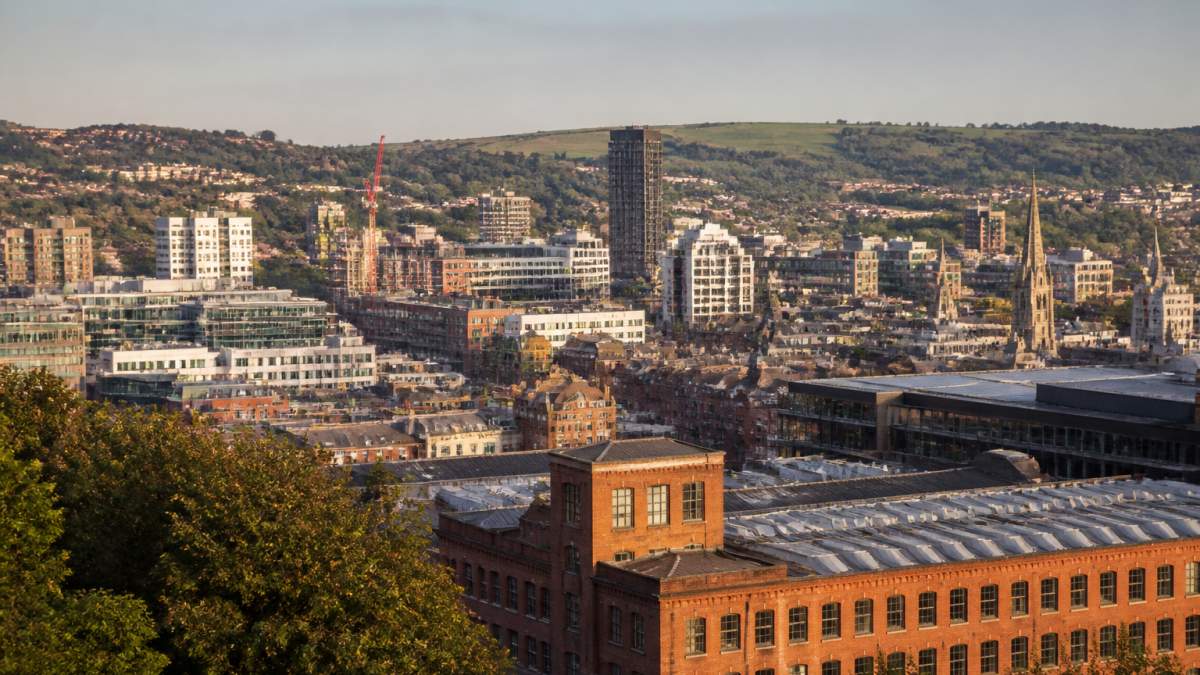
A practical way to organize a visit is by quarter, because the city's attractions cluster rather than line up along one street:
- City center (Cathedral and Peace Gardens area): Peace Gardens, Winter Garden, Millennium Gallery, and the Graves Gallery above the Central Library. Plan two to three hours on foot.
- Kelham Island: Kelham Island Museum and the surrounding converted industrial quarter. The museum charges admission and is typically open Wednesday through Sunday, but hours shift seasonally, so confirm before you go.
- Weston Park and the university edge: Weston Park Museum (free entry) sits beside the university and pairs well with a walk through the adjacent park.
- Western suburbs and the valley parks: Botanical Gardens, Endcliffe Park, and the Rivelin Valley trail network.
Industrial Heritage and the Steel City Story
The Steel City nickname is not marketing. Sheffield's steel industry supplied cutlery, tools, and engineering products worldwide, and the Kelham Island Museum documents that story in a former industrial works beside the river.
A common mistake is treating industrial heritage as a rainy-day backup. It is the reason Sheffield looks the way it does. Give it a half day, and pair it with a walk through the Kelham Island quarter itself, where the street pattern still follows the old works.
Green Spaces and Outdoor Activities
Sheffield claims a higher proportion of green space within its boundary than most English cities, and the Peak District National Park begins at the western edge. The Botanical Gardens, Endcliffe Park, and the Rivelin Valley trails suit short walks.
A few concrete options help first-timers pick:
- Rivelin Valley: A riverside trail with old mill sites and weirs; mostly flat and good for an easy half day.
- Endcliffe Park to Forge Dam: A popular family walk that links parkland to a small dam and cafe.
- Stanage Edge and the Derbyshire moors: The classic gritstone edge for hikers; reachable by bus or car from the western suburbs and best in dry weather.
Watch out: weather on the moors changes fast, and visitors who set out in city clothing often turn back early. Pack a waterproof layer even on a bright morning, and check the day's forecast before committing to an exposed ridge walk.
A Practical Sheffield Weekend Itinerary
Two days is enough for a first Sheffield visit if you pick a lane. Trying to cover museums, moors, and nightlife in 48 hours produces a rushed trip with a lot of bus time.
Here is an itinerary we would hand to a friend:
- Friday evening: Arrive, check in near the city center, and eat in the Devonshire Quarter or around Kelham Island.
- Saturday morning: Peace Gardens, Winter Garden, and Millennium Gallery on foot.
- Saturday afternoon: Kelham Island Museum for the steel story.
- Saturday evening: Dinner with a reservation, then a pub or music venue.
- Sunday morning: Peak District walk or Botanical Gardens, depending on weather.
- Sunday afternoon: Depart, or add a slow lunch before the train.
The gap most guides miss is travel time. Sheffield's attractions sit in different quarters, and building in slack prevents the day from collapsing when a bus runs late.
Sheffield Local Food: What to Eat and Where
Sheffield local food runs from market stalls to modern British kitchens, and the city's food scene has grown around its markets and independent quarters.
Expect a few constants. Pies, pub food, and hearty northern portions remain standard. Reservations matter on weekend evenings in the popular quarters, and many places offer outdoor seating in summer.
A practical approach: book one dinner in advance and leave the rest flexible.
The Best Time to Visit Sheffield for Weather and Crowds
The best time to visit Sheffield is late spring through early autumn, when daylight is long and the moorland trails are at their most usable. Summer brings the warmest weather and the largest crowds, especially on weekends. Spring and autumn trade a little rain risk for quieter streets and easier restaurant bookings.
Winter suits travelers who want museums, music venues, and indoor culture without competing for tables. Daylight is short, and upland weather can close off walking plans entirely.
Seasonal tips worth keeping:
- Summer: Book accommodation early and start hikes in the morning.
- Autumn: Expect mud on trails and pack accordingly.
- Winter: Confirm opening hours, since some smaller attractions reduce schedules.
- Spring: Watch for late cold snaps on the moors.
Getting There and Getting Around Sheffield
Sheffield sits in South Yorkshire with direct rail links to London, Leeds, Manchester, and York, which makes it easy to slot into a longer England trip. The train station is central, and most city-center hotels are within walking distance of it. Journey times are short enough that Sheffield works as a day trip from Manchester or Leeds, though a weekend gives you room to reach the moors.
Arriving by Train
National Rail connects Sheffield to the main intercity lines. Advance-purchase tickets on longer routes are substantially cheaper than walk-up fares, and the earlier you book, the better the price. According to National Rail journey planning, booking advance tickets on longer routes cuts cost significantly. If you are arriving from London, note that some services require a change at Doncaster or Chesterfield rather than running direct, check the itinerary before booking.
Arriving by Road and Air
By car, Sheffield sits close to the M1, which makes it reachable from most of England. Parking in the center is limited and priced by the hour, so many visitors park at a park-and-ride and take a tram in. The nearest major airports are Manchester and East Midlands, both with rail connections into the city; Leeds Bradford is another option but requires a change.
Getting Around Locally
For local transit, buses and trams cover the main quarters and suburbs. Trams are useful for the arena and the eastern districts; buses reach the western edges toward the Peak District. A few practical points:
- Trams: The Supertram network links the city center with the arena, the eastern suburbs, and Rotherham. Buy a ticket before boarding where machines allow, and keep it for inspection.
- Buses: Local buses reach the western suburbs and trailheads toward the Peak District, but frequencies drop in the evening and on Sundays.
- Taxis and ride-hailing: Useful at night and for trailhead drop-offs where buses are thin.
- Walking: The center is compact and walkable, but the hills are real, build in extra time if you are heading to the western suburbs on foot.
If you plan to hike, note that the national park boundary is close but not always walkable from the center. Many visitors take a bus or drive to a trailhead and walk from there. A common pattern is to ride out in the morning and arrange a return bus or taxi before setting off, since evening service on rural routes is limited.
Where to Stay and How to Plan Your Budget
Accommodation in Sheffield splits into three practical zones. The city center suits first-timers who want walkable access to attractions and transport. Kelham Island and the Devonshire Quarter suit travelers who prioritize food and nightlife. The western suburbs toward the Peak District suit walkers who want an early start on the trails.
| Area | Best For | Trade-off |
|---|---|---|
| City center | First-time visitors, rail arrivals | Busier, higher weekend rates |
| Kelham Island | Food, bars, converted industrial stays | Noise on weekend nights |
| Western suburbs | Hiking access, quiet evenings | Longer commute to center |
Budget planning should cover accommodation, food, local transport, and attraction entry. For official visitor information and current listings, the official Sheffield visitor site is the most reliable starting point.
Sheffield's best experiences, including the parks and the moorland walks, cost nothing.
For broader trip planning across the region, VisitBritain's regional guidance covers transport passes and seasonal advice.
Book Your Sheffield Trip with Confidence
Planning a Sheffield trip comes down to a handful of decisions: when to go, where to base yourself, and how to move between the quarters and the moors. Get those right and the city does the rest.
That same principle drives what we do at QNH LLC. Our FAA-approved Part 65 Aircraft Dispatcher Certification program runs on small classes, individual attention, and instructors who include college professors, airline pilots, and former FAA Dispatcher Examiners.
Frequently Asked Questions
What is Sheffield known for?
Sheffield is known as the Steel City for its industrial heritage and role in steel production. It is also recognized for its green spaces, with more trees per person than any other English city, and for its cultural scene including theaters, galleries, and music venues. Visitors can explore landmarks like the Winter Garden and Millennium Gallery while learning about the city's manufacturing history at sites such as the Kelham Island Museum.
How many days do you need to visit Sheffield?
Two to three days covers the main attractions and gives you time for a Sheffield weekend itinerary that includes museums, green spaces, and local food. A single day works for a quick overview of the city center, but adding a second day lets you explore the industrial heritage sites and nearby countryside. If you plan to use Sheffield as a base for day trips to the Peak District or nearby cities, allow three to four days.
What food is Sheffield known for?
Sheffield local food includes traditional dishes like Henderson's Relish, a spicy condiment produced in the city since the 1880s, and hearty pies served at markets and pubs. The city has a growing independent food scene with street food markets, breweries, and restaurants offering everything from British classics to international cuisine. Visitors should try a pie from the Moor Market and explore the Kelham Island area for craft beer and casual dining.
What is the best time of year to visit Sheffield?
The best time to visit Sheffield depends on your priorities. Late spring and summer offer the warmest weather and longest daylight hours for exploring outdoor spaces and the Peak District. Autumn brings colorful foliage and fewer crowds, while winter has a festive atmosphere with holiday markets. Rainfall is possible year-round, so pack layers and a waterproof jacket regardless of when you travel.