 how-to
How to Enroll in an FAA Aircraft Dispatcher Course
Table of Contents
- Understanding FAA Part 65 Dispatcher Certification Requirements
- Aircraft Dispatcher Training Duration and Course Curriculum
- Step-by-Step Enrollment Process
- Selecting the Best FAA Approved Dispatcher Schools
- FAA Written Knowledge Test and Practical Exam Preparation
- Financial Aid and Funding Your Aircraft Dispatcher Certification
- A Day in the Life of an Aircraft Dispatcher
- Common Mistakes to Avoid During Enrollment and Training
- Frequently Asked Questions
Last Updated: September 2, 2026
Understanding FAA Part 65 Dispatcher Certification Requirements
Enrolling in an FAA aircraft dispatcher course is the first step toward managing critical flight operations and safety decisions. Part 65 of the Federal Aviation Regulations establishes the certification standards all aircraft dispatchers must meet. This certification is required by law for anyone working as a dispatcher at a Part 121 or Part 135 air carrier.
Eligibility Requirements
To enroll in an FAA aircraft dispatcher course, you must be at least 23 years old when applying for your certificate and read, speak, write, and understand English fluently (faa.gov). You must demonstrate mental and physical ability to perform dispatcher duties without disqualifying criminal convictions or violations.
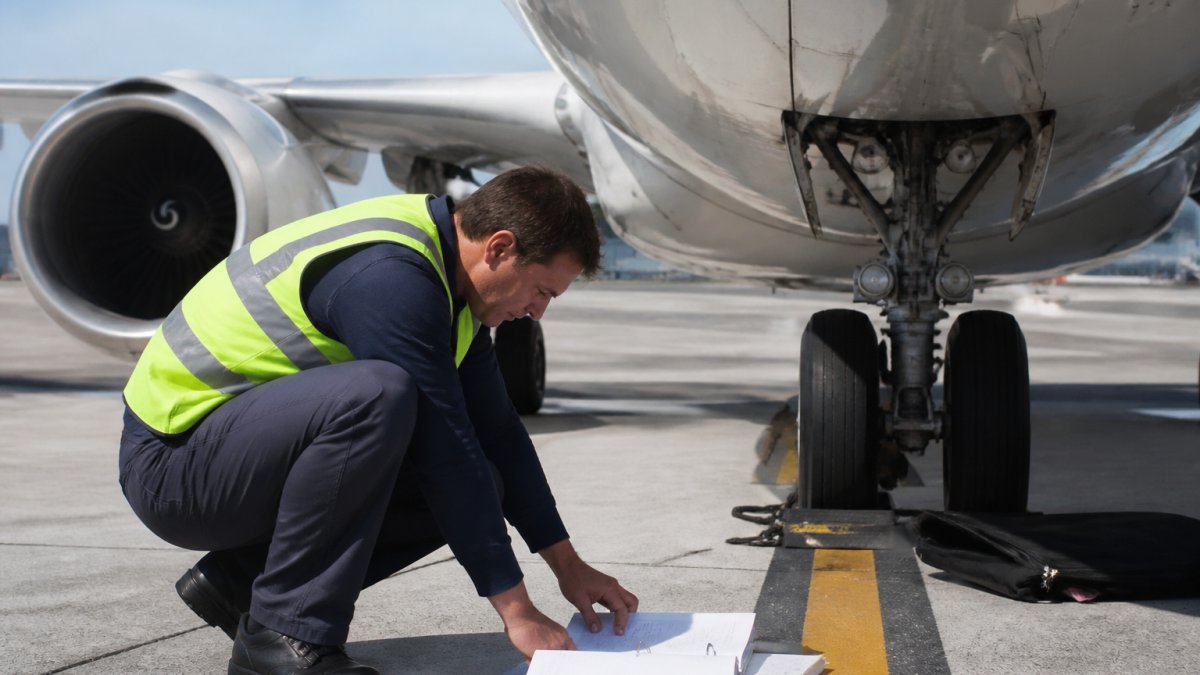
Most critically, you must have at least one year of experience in dispatching, scheduling, or operations planning (faa.gov). Relevant experience includes ramp or ground operations at airlines, flight scheduling, air traffic control tower work, military flight operations, or charter operation planning. If you're an airline employee, your current role often satisfies this requirement.
Aircraft Dispatcher Training Duration and Course Curriculum
An FAA aircraft dispatcher course requires a minimum of 200 classroom hours of instruction, translating to roughly 5-6 weeks of full-time study or 3-4 months of part-time classes (faa.gov).
The 200-Hour Classroom Foundation
The 200 classroom hours build aeronautical knowledge progressively, covering aviation regulations, meteorology, aircraft performance, flight planning, weight and balance calculations, and dispatch release procedures. Quality programs use these hours efficiently with instructors having real dispatch experience and FAA examiner backgrounds. QNH LLC's Part 65 aircraft dispatcher course delivers this curriculum through experienced instructors including college professors, airline pilots, and former FAA Dispatcher Examiners, with small class sizes ensuring focused instruction.
Core Knowledge Areas: Meteorology, Navigation, and Regulations
The FAA mandates specific knowledge domains. Meteorology is critical because weather impacts every flight decision. You'll study atmospheric conditions, weather patterns, interpretation of reports and forecasts, and how weather affects aircraft performance and flight planning.
Navigation and flight planning form another pillar. You must understand airspace structure, navigation systems, flight planning procedures, and how to calculate flight times, fuel requirements, and alternate airport requirements. Weight and balance is particularly important, you must calculate whether aircraft are loaded safely and legally.
Federal Aviation Regulations and airline operations procedures complete the curriculum, covering Part 121 and Part 135 regulations, standard operating procedures, crew qualifications, and duty time limits.
Online vs. In-Person Learning Options
In-person training allows instructors to ask critical questions forcing deeper thinking about dispatch decisions and provide immediate feedback on calculations and misconceptions. This difference matters most during practical exam preparation, where candidates must defend dispatch decisions to an FAA examiner. Candidates who've worked through scenarios with experienced instructors typically perform better under that pressure.
Step-by-Step Enrollment Process
Step 1: Verify Your Eligibility
Confirm you meet FAA baseline requirements: age (at least 23), English language proficiency, and one year of relevant experience. If employed by an airline, HR can confirm whether your current role satisfies the experience requirement. Review your background carefully, the FAA conducts records checks.
Step 2: Choose Your Training Program
Research FAA-approved dispatcher schools. Look for programs with small class sizes, experienced instructors, and strong pass rates. QNH LLC stands out because of instructor credentials and teaching methodology. The Chief and Lead Instructors are Sheffield Graduates using the Socratic Method, forcing students to think critically rather than memorize facts. QNH LLC includes a free Gleim Online Ground School course with fall class registration, adding significant value since Gleim is the industry-standard study material.
Step 3: Complete Your Application
Applications typically include personal information, proof of one year relevant experience (employer letters, job descriptions, HR verification), documentation of English proficiency, and any required FAA forms. Gather documentation early by contacting previous employers or your current airline.
Step 4: Arrange Financing and Confirm Enrollment
Understand the total cost structure: tuition, materials, exam fees, and other charges. Explore financing options, some airlines offer tuition reimbursement for employees. Check whether your state offers workforce development funding for aviation careers.
Selecting the Best FAA Approved Dispatcher Schools
Not all FAA-approved dispatcher schools deliver equal quality. The difference between mediocre and excellent programs often determines whether you pass the FAA exam on your first attempt.

What to Look for in a Quality Program
Quality dispatcher training starts with a clear curriculum aligned with what the FAA tests. Ask prospective programs for their syllabus and verify they cover all knowledge areas in depth. Look for programs integrating real-world scenarios and case studies that prepare you for the practical exam environment.
Ask about pass rates. Reputable programs should share what percentage of students pass the FAA written and practical exams on their first attempt. Programs with experienced instructors and rigorous curricula typically see strong first-attempt pass rates.
Instructor Credentials and Teaching Methods
Instructor quality directly determines training quality. Look for programs where instructors have real dispatch experience, airline pilot backgrounds, or FAA examiner credentials. The Socratic Method produces deeper understanding and better retention than lecture-based approaches. QNH LLC's instructors exemplify this standard, engaging you in critical thinking about dispatch decisions rather than reading from slides.
Class Size and Individual Attention
Small class sizes, ideally 10-15 students or fewer, create accountability and enable personalized instruction. QNH LLC's commitment to small classes reflects a philosophy that dispatcher training requires individual attention for career success. managing remote dispatchers.
FAA Written Knowledge Test and Practical Exam Preparation
The path to your aircraft dispatcher certificate involves two major exams: the FAA written knowledge test and the practical exam.
Ground School and Study Materials
After your 200 classroom hours, you'll study independently using ground school materials. Gleim is the industry standard and aligned with the FAA curriculum. Effective study means working through practice questions repeatedly until you understand why answers are correct. Study groups can be valuable for complex topics like weight and balance.
Preparing for the ADX Practical Exam
The practical exam is where many candidates struggle. A Designated Aircraft Dispatcher Examiner presents realistic dispatch scenarios with flight plans, weather data, aircraft limitations, and crew information. You must analyze this information, make dispatch decisions, and explain your reasoning. Preparation requires practicing under exam-like conditions with mock practical exams simulating the real environment. The Socratic Method that QNH LLC's instructors use during classroom training directly prepares you for this format.
Financial Aid and Funding Your Aircraft Dispatcher Certification
Payment Plans and Enrollment Incentives
Training programs typically offer payment plans spreading costs across the training period. Some airlines offer tuition assistance or reimbursement for employees pursuing dispatcher certification. Workforce development programs in some states provide funding for aviation career training.
Career Outlook and Return on Investment
Aircraft dispatcher is a stable career with consistent demand. Airlines operate flights year-round, and every flight requires a dispatcher. Dispatcher salaries vary based on airline size, experience, and location, but offer solid earning potential. The investment typically pays for itself within a few years of employment. Beyond salary, dispatcher work offers schedule flexibility and intellectually engaging problem-solving in dynamic environments.
A Day in the Life of an Aircraft Dispatcher
A dispatcher's shift typically begins 30 minutes before assigned start time, reviewing the flight schedule, aircraft status, and weather forecasts. As flights depart, you monitor each one, tracking real-time weather and communicating with pilots about conditions. Between flights, you plan upcoming departures, calculating weight and balance, verifying fuel, and checking crew duty times for regulatory compliance.
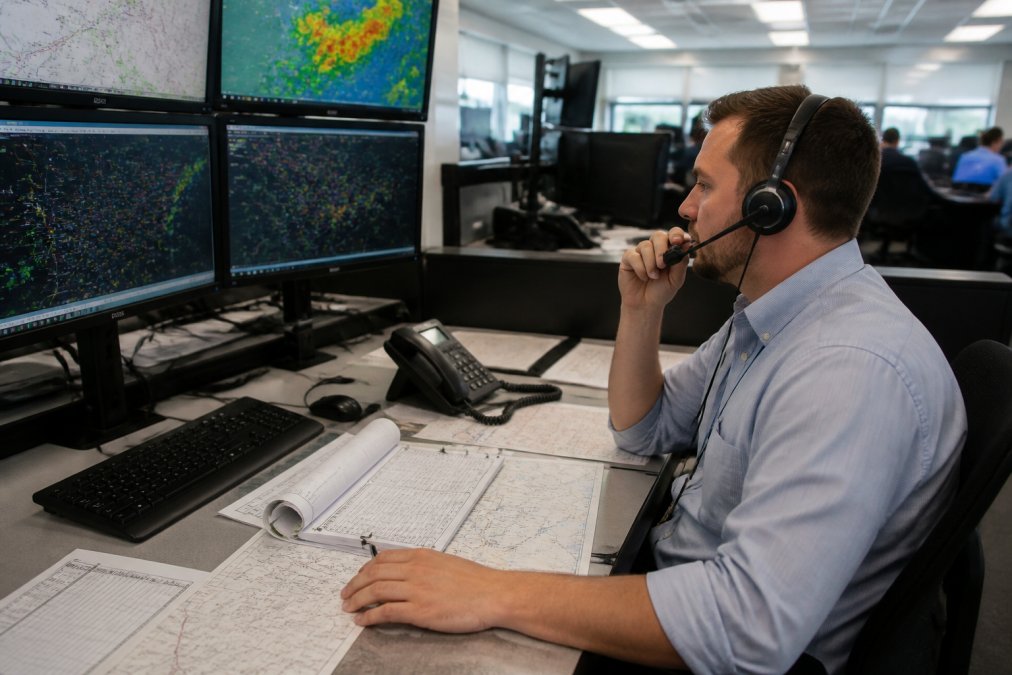
When unexpected situations arise, mechanical issues, medical emergencies, severe weather, dispatchers are central to the response. A typical shift involves managing 10-20 flights simultaneously at different operation stages. The work requires focus, quick decision-making, and clear communication under pressure.
Common Mistakes to Avoid During Enrollment and Training
The most common mistake is underestimating material complexity. Dispatcher training requires deep understanding of meteorology, aerodynamics, weight and balance calculations, and aviation regulations. Consistent study from day one and asking questions when concepts don't make sense is essential.
Another frequent mistake is choosing programs based primarily on cost or convenience rather than quality. A cheaper program with poor instruction or low pass rates costs more long-term. Some candidates don't adequately prepare for the practical exam, assuming it will be easy after passing the written test. Plan significant time on practical exam preparation with mock exams and scenario work with instructors.
Procrastination on enrollment is another common error. Quality programs with experienced instructors and small class sizes fill up. Finally, enroll only after talking to working dispatchers about what the job entails to ensure it aligns with your strengths and preferences.
Becoming an aircraft dispatcher requires serious commitment to training and mastering complex material. The enrollment process is straightforward once you understand requirements and steps, but selecting the right training program determines whether you emerge prepared to pass the FAA exam and succeed in the role.
QNH LLC's Part 65 aircraft dispatcher course delivers rigorous, expert-led training designed to produce hireable candidates. With instructors including college professors, airline pilots, and former FAA Dispatcher Examiners, small class sizes ensuring individual attention, and a curriculum focused on critical thinking skills the practical exam evaluates, the program prepares you to excel in the career. The included free Gleim Online Ground School course with fall registration adds substantial value. Reserve your spot now and take the first step toward a stable, intellectually engaging career in aviation operations.
Frequently Asked Questions
What are the eligibility requirements for an FAA aircraft dispatcher certificate?
To enroll in an FAA Part 65 aircraft dispatcher course, you must be at least 23 years old when applying for your certificate and read, speak, write, and understand English fluently. You must also have at least one year of experience in dispatching, scheduling, or operations planning, or an equivalent role. Most programs accept candidates with no prior dispatcher experience and provide foundational training in meteorology, navigation, and Federal Aviation Regulations. Contact your chosen school directly to confirm their specific eligibility criteria.
How long does aircraft dispatcher training duration typically take?
FAA-approved Part 65 dispatcher certification programs require a minimum of 200 classroom hours of instruction. Most full-time programs complete this in 4-6 weeks, while part-time options may extend over several months. After classroom training, you must pass the FAA written knowledge test and practical exam with a designated aircraft dispatcher examiner. Total time from enrollment to certification typically ranges from 2-4 months depending on your program schedule and exam scheduling.
What is the difference between online and in-person dispatcher training?
In-person programs provide direct instruction from experienced airline pilots and former FAA examiners, hands-on weight-and-balance training, and immediate feedback in a small-class setting. Online programs offer flexibility for working professionals but require self-discipline and may lack the personalized guidance critical for complex topics like flight release authority and emergency procedures. Many candidates find in-person training more effective for mastering practical dispatch concepts before facing the practical exam with a designated aircraft dispatcher examiner.
How do I know if a dispatcher school is truly FAA approved?
Verify FAA approval by checking the school's Part 65 certification status through the FAA's official database or contacting your regional Flight Standards District Office. Legitimate programs should display their FAA approval documentation prominently and employ instructors with verifiable credentials, such as former FAA dispatcher examiners or experienced airline pilots. Ask prospective schools for proof of job placement rates and pass rates on the ADX practical exam, reputable programs are transparent about their track record.
This article was written using GrandRanker