 how-to
Dispatcher Practical Exam Timeline Explained
Table of Contents
- Understanding the Dispatcher Practical Exam Timeline
- Aircraft Dispatcher Practical Exam Duration: What to Expect
- Aircraft Dispatcher Practical Test Preparation: Pre-Exam Logistics
- Aircraft Dispatcher Exam Questions: Structure and Scenarios
- Common Failure Points and How to Avoid Them
- Aircraft Dispatcher Practical Exam Retake: Outcomes and Next Steps
- Frequently Asked Questions
Last Updated: October 10, 2026
Understanding the Dispatcher Practical Exam Timeline
The dispatcher practical exam timeline explained is essential knowledge for anyone preparing to earn their FAA Part 65 Aircraft Dispatcher Certificate. Understanding what happens at each stage helps you prepare mentally and logistically.
The practical exam, officially called the checkride, tests whether you can actually do the job, defending flight plans, interpreting weather, and making real decisions under pressure. The entire process typically spans three to five hours.
Aircraft Dispatcher Practical Exam Duration: What to Expect
The aircraft dispatcher practical exam duration typically ranges from three to five hours. Understanding the timeline stage-by-stage helps you plan your day and manage fatigue.
Arrival and Administrative Check-In (15-20 minutes)
Arrive at least 30 minutes early, but plan for 15-20 minutes of administrative work once you're in the testing room. The examiner will verify your identification, confirm your application status with the FAA, and review your airman knowledge test score. They'll also explain the exam structure, answer any procedural questions, and outline how they'll evaluate you. This is not part of the timed exam, but it sets the tone. Use this time to ask clarifying questions about what materials you can reference or how they'll present scenarios.
Oral Exam Phase (90-150 minutes)
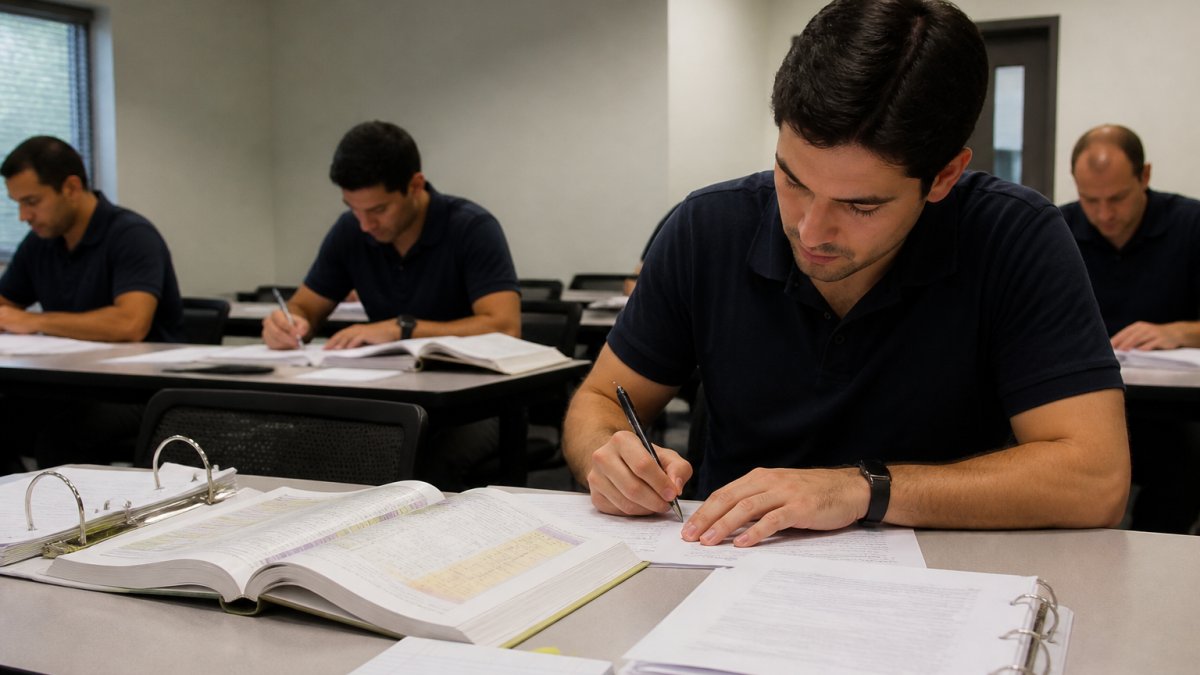
The oral portion typically consumes 90 minutes to 2.5 hours. The examiner will ask questions about aviation regulations (Part 121 and Part 135 dispatch rules), weather interpretation, aircraft systems, flight planning, and operational decision-making. Questions build in complexity: early questions test foundational knowledge ("What does SIGMET stand for?"), while later questions require applied judgment.
The examiner controls the pace and depth. Confident, correct answers move topics faster; incomplete answers trigger deeper probing. This is why the oral phase ranges from 90 minutes to 2.5 hours.
Common oral topics include:
- METARs, TAFs, SIGMETs, AIRMETs, and wind aloft forecasts
- NOTAMs and how to interpret them for dispatch decisions
- Weight and balance principles and limitations
- Fuel planning and reserve requirements
- Crew rest and duty time regulations
- Aircraft performance in various conditions
- Dispatch authority and when to deny a flight
Break (10-15 minutes)
After the oral phase, take a brief break to use the restroom and drink water. Do not review notes or second-guess answers. Mental reset is more valuable than cramming.
Practical Test Phase (60-90 minutes)
The practical scenario phase typically takes 60 to 90 minutes. The examiner presents a realistic flight planning situation with departure and destination airports, weather, aircraft specifications, weight and cargo information, and operational constraints. Your job is to determine whether the flight can be legally and safely dispatched.
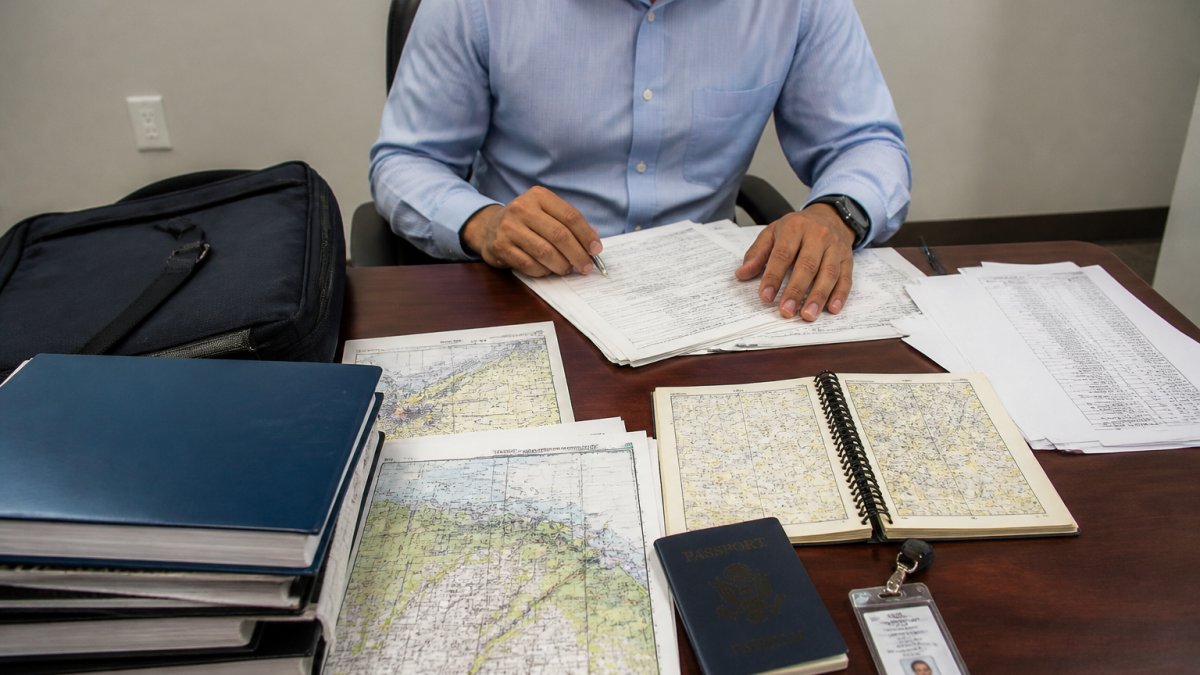
Work through the scenario at a desk with charts, weather data, and reference materials. Explain your reasoning as you work. The examiner watches how you organize your work, which resources you consult, and whether you catch potential problems.
Typical practical scenarios include:
- A flight with marginal weather along the route (icing layers, wind shear, thunderstorms)
- Weight and balance challenges (heavy cargo, uneven loading)
- Aircraft equipment limitations (inoperative systems that affect dispatch)
- Fuel constraints (headwinds, alternate airport requirements)
- Crew scheduling issues (rest requirements, duty time limits)
Results and Debrief (10-15 minutes)
After you complete the practical scenario, the examiner will inform you of the outcome. If you passed, they'll explain next steps for your official FAA certificate. If you did not pass, they'll identify specific areas for improvement. Write down this feedback to target your remedial training.
Total Timeline Summary
- Arrival and check-in: 15-20 minutes (not timed)
- Oral exam: 90-150 minutes
- Break: 10-15 minutes
- Practical scenario: 60-90 minutes
- Results and debrief: 10-15 minutes
- Total time in testing facility: 3.5-5 hours
Plan to be at the testing location for at least four hours. Bring water and a light snack. Wear comfortable, professional clothing. The practical exam is mentally taxing; fatigue in the final hour can affect performance.
Aircraft Dispatcher Practical Test Preparation: Pre-Exam Logistics
Preparing for the aircraft dispatcher practical test preparation phase means handling details weeks before exam day. Scheduling conflicts, missing documents, and logistical confusion have derailed otherwise-ready candidates.
Scheduling and Required Documentation
Book your exam at least four to six weeks in advance. Contact your local FSDO (Flight Standards District Office) or an approved testing center to schedule.
Your application must be filed with the FAA before you sit for the practical exam. Bring:
- Valid government-issued photo identification
- Your airman knowledge test results
- Your application receipt or confirmation number
- Any required medical documentation
Missing even one document can result in a reschedule. Verify everything two weeks before your exam date.
What to Bring on Exam Day
Bring multiple pens and pencils, a non-programmable calculator, highlighters, a notepad, your charts and reference materials (if permitted), and water. Arrive at least 30 minutes early to locate the facility and settle your nerves. Dress in business casual to show respect for the process.
Aircraft Dispatcher Exam Questions: Structure and Scenarios
The aircraft dispatcher practical exam tests two distinct skill sets: knowledge of regulations and procedures (oral), and ability to apply that knowledge to real dispatch decisions (practical scenario).
Oral Questioning Format and Evaluation Criteria
Oral questions follow a pattern, starting with foundational knowledge and building toward applied judgment. Early questions are straightforward; correct answers lead to more complex, scenario-based questions.
The examiner is listening for: accurate information (regulations, definitions, procedures), logical reasoning (clear decision-making process), safety awareness (identifying and mitigating hazards), clear articulation of your thinking, and awareness of your limits (knowing when to consult other resources).
Common oral topics include: weather interpretation (METARs, TAFs, SIGMETs, AIRMETs, wind aloft forecasts, icing layers), regulations and procedures (Part 121/135 rules, dispatch vs. pilot authority, dispatch release contents, NOTAMs), aircraft systems and performance (inoperative equipment, weight and balance, runway length and density altitude), and judgment scenarios (marginal weather, equipment limitations, NOTAMs affecting dispatch).
Practical Scenario Evaluation and Examiner Criteria
The practical scenario phase presents a realistic flight planning situation with departure and destination airports, current and forecast weather, aircraft specifications, weight and cargo information, fuel limitations, and NOTAMs. Your job is to determine whether the flight can be legally and safely dispatched. The examiner watches how you organize your work and whether you catch potential problems.
The examiner evaluates: systematic approach (logical sequence of checks), completeness (all weather data, entire route), error detection (catching and correcting your own mistakes), safety judgment (recognizing technically legal but operationally risky flights), and communication (explaining your reasoning as you work).
Common practical scenarios include: marginal weather (destination weather below forecast improvement, route SIGMETs, alternate airport weather), weight and balance challenges (out-of-limits center of gravity requiring cargo adjustment), equipment limitations (inoperative autopilot on long flights in icing), and NOTAM impacts (closed runways requiring performance checks against alternates).
Common dispatcher-specific traps:
- Incomplete weather review: Candidates read the destination METAR but miss a SIGMET for thunderstorms 50 miles from the destination. Always check the entire route, not just the endpoints.
- Weight and balance arithmetic errors: Small math mistakes compound. A 500-pound error in loading can push the center of gravity out of limits. Double-check your calculations.
- Ignoring forecast trends: A TAF showing deteriorating weather should raise a flag. If the destination weather is forecast to go below minimums after your estimated arrival time, you need a solid alternate or a delay.
- Overlooking NOTAM implications: A NOTAM for a closed navaid might not seem relevant until you realize it's the primary approach aid at your destination. Always connect NOTAMs to dispatch decisions.
- Assuming pilot capability: Just because a pilot is certified doesn't mean they're current or comfortable with marginal conditions. Dispatchers should consider pilot experience and recent flight history when making judgment calls.
- Confusing dispatch authority with pilot authority: Dispatchers approve the flight plan and release. Pilots make in-flight decisions. If a pilot requests a change mid-flight, they have authority to make it. Dispatchers don't override in-flight decisions.
How Examiners Score Your Responses
Examiners use a pass/fail standard, not a points system. You pass if you demonstrate competence across all major areas: weather interpretation, regulations, aircraft systems, weight and balance, and judgment. You fail if you have significant gaps in any area or if you make a critical error that would endanger a flight.
A critical error is one that would result in an unsafe or illegal dispatch. Examples include:
- Approving a flight into weather below the aircraft's capability without acknowledging the risk.
- Calculating weight and balance incorrectly and not catching the error.
- Missing a NOTAM that directly affects the flight.
- Misinterpreting a regulation and applying it incorrectly.
Minor errors, such as a small arithmetic mistake that you catch and correct, or a hesitation on a definition that you then explain correctly, do not result in failure. Examiners expect some nervousness and minor stumbles. They're assessing whether you're safe and competent, not whether you're perfect.
Common Failure Points and How to Avoid Them
Candidates fail the dispatcher practical exam for predictable reasons. Knowing these failure points helps you avoid them.
The most common failure is incomplete weather analysis. Candidates read the surface weather but miss significant upper-level wind shear or icing layers that affect the flight. Always examine the complete weather picture.
Weight and balance errors are the second major failure point. Candidates make arithmetic mistakes or misunderstand how to apply loading procedures. Practice weight and balance calculations repeatedly. Develop a systematic approach and check your work. Small errors compound into failed flights.
Poor communication is a third failure area. You might have the right answer but explain it poorly. The examiner can't read your mind. Practice articulating your reasoning. Explain not just what you decided, but why you made that decision.
Candidates also fail by not asking clarifying questions when scenarios are ambiguous. If the examiner presents information that seems incomplete or contradictory, ask about it. Real dispatchers ask questions. Examiners expect it.
Aircraft Dispatcher Practical Exam Retake: Outcomes and Next Steps
If you pass, you'll receive your dispatcher certificate. The examiner will sign your paperwork and explain next steps for your official FAA certificate. This typically arrives by mail within two weeks.
If you don't pass, the examiner will explain which areas need improvement. You can retake the practical exam after additional training. Many candidates who fail on their first attempt pass on the second because they now know exactly what the examiner expects.
A failed practical exam doesn't mean you're not cut out for this work. It means you need more preparation in specific areas. Identify what went wrong, get targeted training, and try again. Many successful dispatchers didn't pass on their first attempt.
The aircraft dispatcher practical exam timeline explained is your roadmap. You now understand what happens at each stage, how long it takes, and what to expect. This knowledge removes uncertainty and lets you focus on preparation.
Frequently Asked Questions
How long does the aircraft dispatcher practical exam take?
The dispatcher practical exam typically spans three to five hours total, split between the oral examination and practical test phases. The oral exam usually runs 1.5 to 2 hours, while the practical test takes 2 to 3 hours depending on the examiner's assessment and the complexity of scenarios presented. Candidates should plan for a full day at the testing location.
What should I bring to my aircraft dispatcher practical exam?
Bring valid government-issued photo identification, your FAA knowledge test passing certificate, and any required documentation from the testing center. You'll need flight planning tools and materials specified by the examiner, typically including navigation charts, weather resources, and dispatch release forms. Confirm specific requirements with your designated pilot examiner at least one week before your exam date.
What happens if I fail the aircraft dispatcher practical exam?
If you receive a disapproval on any section, you'll receive a written explanation of the deficiencies. You can retake the exam after addressing the failed areas. Many candidates benefit from additional focused training on weak points before attempting again. Document the examiner's feedback carefully to target your preparation effectively.
How soon can you retake the aircraft dispatcher practical exam?
There is no mandatory waiting period between attempts. You can retake the exam as soon as you've prepared and scheduled with a designated pilot examiner. However, most candidates benefit from weeks of focused study on the areas where they fell short before rescheduling, rather than attempting immediately.
The dispatcher practical exam timeline explained is your foundation for success. Preparation at this level requires guidance from people who've done this work and trained others to do it. Reserve now with QNH LLC and get started on your path to becoming an aircraft dispatcher. Our instructors include former FAA examiners and experienced airline professionals who understand exactly what you need to know.