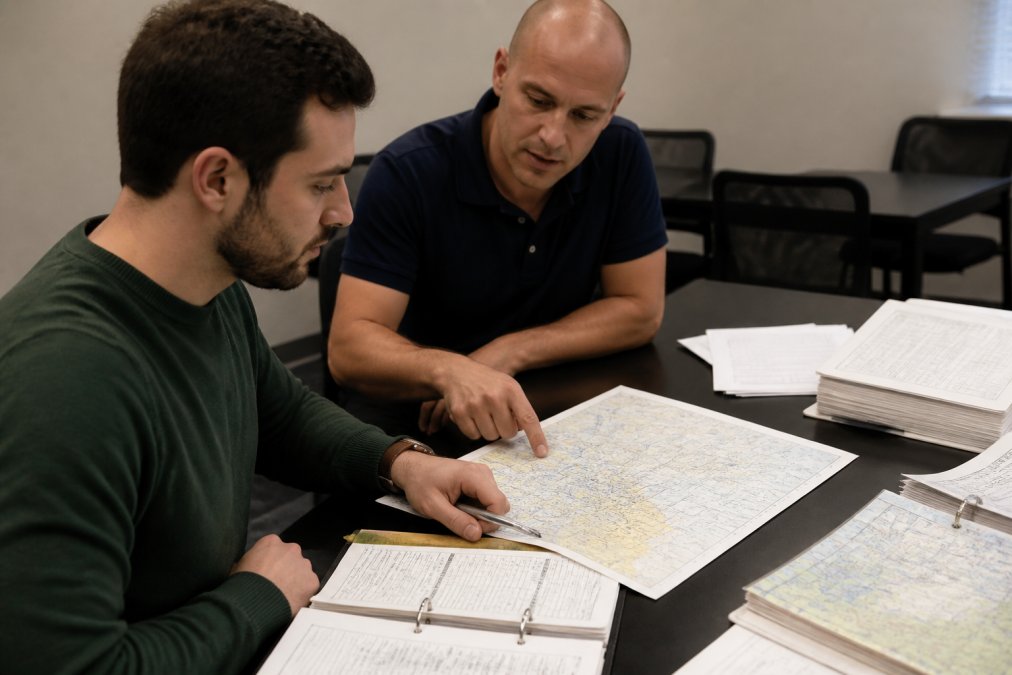
 how-to
What to Expect in Dispatcher Training: 2026 Guide
Table of Contents
- What Dispatcher Training Really Looks Like
- The Aircraft Dispatcher Training Duration and Structure
- Core Subjects and Skills You Will Master
- Classroom Instruction vs. Hands-On Simulation
- How to Become Certified Aircraft Dispatcher: The Exam
- The Realities of the Job: Shift Work and Stress
- What Happens After Graduation: Probation and On-the-Job Training
- Final Thoughts on Starting Your Dispatcher Career
- Frequently Asked Questions
Last Updated: September 8, 2026
Aircraft dispatcher training is a rigorous, FAA-regulated pathway that transforms aviation enthusiasts into certified professionals responsible for flight safety and operational planning. If you are researching what to expect in dispatcher training, the short answer is: roughly 200 hours of intensive classroom instruction, followed by a demanding practical and written certification exam. This guide breaks down every phase of the process, from the first day of ground school to your probationary period on the job, so you know exactly what you are signing up for.
Most people assume the dispatcher certificate is a box to check. In reality, dispatcher training is a professional gauntlet designed to ensure you can make safe, legal decisions under pressure. The FAA sets the regulatory floor, but the best programs push far beyond minimum standards to produce graduates who are genuinely hireable by airlines. Below, we cover the structure, the curriculum, the exam, and the realities of shift work that no brochure mentions.
What Dispatcher Training Really Looks Like
The core of dispatcher training is the FAA-approved Part 65 curriculum, which mandates at least 200 hours of classroom instruction (ecfr.gov). This is not a passive lecture series. It is an intensive, structured program where you learn to think like the pilot-in-command's ground-based counterpart. You will study meteorology, aerodynamics, aircraft systems, and Federal Aviation Regulations, then apply that knowledge to real-world flight planning scenarios.
The pace is fast. You will move from basic weather theory to complex cross-country flight releases within weeks. Expect daily homework, frequent quizzes, and a teaching style that demands participation. Programs that employ the Socratic Method, where instructors challenge you with questions rather than just feeding you answers, are preparing you for the oral exam where you must defend your decisions logically.
The Aircraft Dispatcher Training Duration and Structure
The aircraft dispatcher training duration is standardized at 200 classroom hours for FAA Part 65 certification. Most full-time programs compress this into roughly 6 to 8 weeks of intensive study. Part-time options exist, but they stretch the timeline considerably and require strong self-discipline to maintain continuity.
The structure typically follows a logical progression:
- Foundations: Regulations, basic meteorology, and aircraft performance.
- Advanced Operations: Flight planning, weight and balance, and navigation.
- Practical Application: Dispatch simulations and emergency scenarios.
This sequence ensures you build on core concepts before tackling the complex decision-making required for the final exam. You cannot skip ahead; each module assumes mastery of the previous one.
Core Subjects and Skills You Will Master
The curriculum is broad because the job is broad. You will leave training with a working knowledge of areas that many aviation professionals spend years learning. The primary subjects include aviation weather theory, including reading radar and satellite imagery, and interpreting forecasts like the TAF and METAR. You will also master Federal Aviation Regulations (FARs), specifically Part 121 operational rules that govern air carrier dispatch (ecfr.gov).
Beyond the technical subjects, the training hones specific cognitive skills. Multi-tasking is non-negotiable, as you will monitor weather updates while coordinating with pilots and air traffic control. Critical thinking is drilled into you through scenario-based training. The FAA exam is not just about knowing the rules; it is about applying them to dynamic situations where the "correct" answer requires judgment, not just recall.
Classroom Instruction vs. Hands-On Simulation
The classroom provides the theory, but the simulation lab is where you learn to apply it. Here, you will use dispatch software to create flight plans, monitor weather radar, and communicate with simulated pilots. This phase is where most students realize the job is less about pushing paper and more about managing risk in real time.
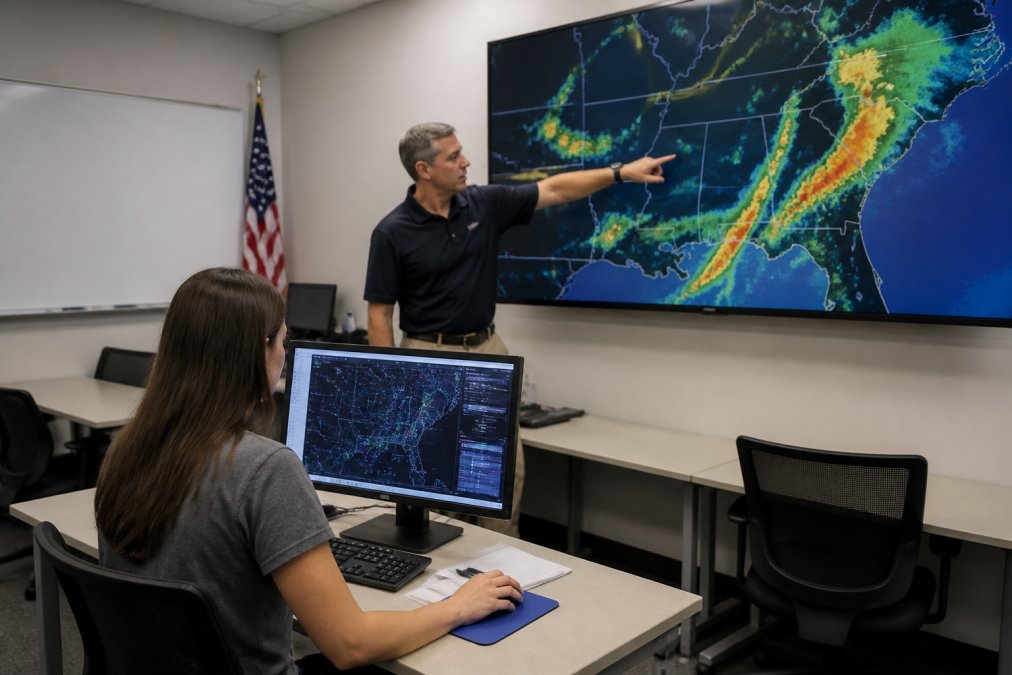
You practice the radio protocols and dispatching procedures used to release a flight. You will also run live call simulations where you must handle a simulated emergency, such as an engine failure or a sudden weather diversion, while keeping your composure. This is the bridge between knowing the material and doing the job.
How to Become Certified Aircraft Dispatcher: The Exam
To become certified aircraft dispatcher, you must pass two distinct components: a written knowledge test and a rigorous practical exam. The written test covers regulations, meteorology, and flight planning (faa.gov). The practical exam, however, is the true differentiator. You will be given a scenario and must produce a complete flight release, defend your route, and handle unexpected changes, all while an FAA examiner evaluates your every decision.
Pass rates are not guaranteed, and the exam is known for being brutal. The practical test requires you to prove you can operate as a dispatcher, not just recite facts. This is where the quality of your dispatcher training shows. A program that uses former FAA Dispatcher Examiners as instructors gives you an edge because you are being coached by people who know exactly what the standards require. choosing training providers.
The Realities of the Job: Shift Work and Stress
Graduation is the start, not the finish. Your first role will likely involve shift work, including nights, weekends, and holidays. Dispatch centers operate 24/7, and you will be part of that rotation. The job demands sustained focus during long stretches of monitoring, punctuated by moments of intense stress when weather or mechanical issues arise.
Psychological preparation is essential. Burnout is a real risk in this career path if you do not manage the stress. You will make decisions that affect hundreds of lives, and while you have support from pilots and management, the weight of the release is yours. Many training programs focus on the technical, but the best candidates prepare mentally for the isolation and responsibility of the midnight shift.
What Happens After Graduation: Probation and On-the-Job Training
After you pass the FAA exam, you are not immediately unleashed on live flights. Most airlines place new dispatchers on a probationary period that includes extensive on-the-job training (OJT). During this time, you work under the supervision of a field training officer, who shadows your every move. You will handle dispatch logs, coordinate with gate agents, and monitor flights, but every decision is reviewed.
This probationary period is effectively an extension of your dispatcher training. It is where you learn the specific standard operating procedures of your employer, which often differ from the generic ones you studied. Expect to be evaluated on your communication skills, your use of the CAD system, and your ability to handle the pressure of live operations.
Final Thoughts on Starting Your Dispatcher Career
Choosing a dispatcher training program is the most important decision you will make in this career. The FAA requires the hours, but it does not guarantee the quality of instruction. You want a program that treats you like a future colleague, not a test-taker. QNH LLC offers FAA-approved Part 65 certification with small class sizes and instruction from airline pilots and former FAA Dispatcher Examiners. This combination helps prepare you to pass the exam and succeed in the dispatch center.
The career is demanding, but it is also rewarding for those who thrive on responsibility and problem-solving. If you are ready to commit to the training and the lifestyle, the dispatch career path offers a stable and respected place in the aviation industry. Reserve now and take the first step toward the flight deck on the ground.
Frequently Asked Questions
Is dispatcher training difficult?
Yes, dispatcher training is demanding. It requires strong critical thinking, multi-tasking, and the ability to absorb dense technical information about meteorology, aerodynamics, and federal aviation regulations. The 200-hour classroom curriculum is intense. However, programs with small class sizes and instructors who use the Socratic Method can help you build the confidence to handle the material and pass the rigorous FAA certification exam.
Do I need prior aviation experience to start dispatcher training?
No, you do not need prior aviation experience to enroll in an FAA-approved aircraft dispatcher training program. The curriculum is designed to take you from the basics to a hireable level of proficiency. However, you must be at least 23 years old to receive your certificate. A background in aviation can be helpful, but the structured classroom instruction and practical simulations are built to prepare students from all backgrounds for the ADX exam.
What is the hardest part of being a dispatcher?
Many dispatchers find the high-stakes, high-stress environment to be the hardest part of the job. You are responsible for flight safety and must make critical decisions under pressure, often while managing multiple flights simultaneously. Shift work, including nights and weekends, can also be challenging. Strong stress management and active listening skills are essential to handle the constant multi-tasking and maintain focus during irregular operations.
How long is the FAA-approved dispatcher training program?
An FAA-approved aircraft dispatcher training program requires a minimum of 200 classroom hours, which is the standard for programs like the one offered by QNH LLC. Full-time students typically complete the course in about five to six weeks. This concentrated format covers all required subjects, from meteorology to dispatch resource management, preparing you to sit for the FAA practical and written exams.
Starting a career as an aircraft dispatcher requires more than a passing interest in aviation; it demands resilience, technical skill, and the right training environment. The challenge is finding a program that balances the 200-hour requirement with the practical, judgment-based coaching you need for the FAA exam. QNH LLC meets that challenge with a curriculum built on small classes and real-world experience. Get started with QNH LLC and move confidently toward your certification.