 listicle
Career Opportunities for Miami Aviation Graduates
Last Updated: November 3, 2026
Quick Summary
Miami aviation graduates can work in airport operations, cargo and logistics, fixed-base operators, maintenance and repair, and federal or public-sector aviation roles. Some jobs need a federal certificate, such as an FAA dispatcher or Airframe and Powerplant credential, while others accept a degree or short technical course and train on the job. Matching your coursework to specific duties is the best way to start.
- Ramp, baggage, and passenger service roles often need only a diploma, background check, and drug test.
- Aircraft dispatchers need FAA dispatcher certification under 14 CFR Part 65.
- Maintenance technicians need an FAA Airframe and Powerplant certificate.
- Many entry-level airport openings are filled through internal referrals before being widely advertised.
- Check Bureau of Labor Statistics wage data for current pay ranges by occupation.
Table of Contents
- Career Opportunities for Miami Aviation Graduates: Where the Jobs Are
- Entry-Level Aviation Jobs for New Graduates
- Airport Operations Careers Across Miami
- Aircraft Dispatcher Career Path and Requirements
- Airline, Maintenance and Air Traffic Roles
- Licenses, Certifications and Qualifications Employers Expect
- Running an Effective Aviation Graduate Job Search
- Starting Your Aviation Career: Choosing Your Next Step
- Frequently Asked Questions
Career Opportunities for Miami Aviation Graduates: Where the Jobs Are
Miami gives aviation graduates more places to work than most people expect. The metro area is home to a major international airport, a large cargo and ground-services sector, and a steady flow of flight operations that need trained staff on the ground and in the air.
The picture is wide. Some roles require a license or certificate before day one. Others accept a degree or a short technical course and train on the job. Knowing which group a role falls into is the first step in any realistic job search. This guide walks through the main career paths, what each one asks of you, and how to position yourself for it.
Entry-Level Aviation Jobs for New Graduates
Entry-level aviation work is where most graduates actually enter the industry, and the roles that accept new graduates are more varied than the ramp-and-gate stereotype suggests. The useful question is not "what jobs exist" but "which jobs will hire me with the credentials I already hold." That answer splits into three groups.
Roles that hire with a degree or short technical course and no federal certificate. Ramp agents, passenger service agents, baggage handlers, ground service equipment operators, cabin cleaners, cargo handlers, and airline customer support representatives generally require a high school diploma or equivalent, a clean background check, and the ability to pass a drug test.
Roles that accept new graduates but expect a specific certificate or license. Aircraft dispatchers need FAA dispatcher certification under 14 CFR Part 65. Aircraft maintenance technicians need an FAA Airframe and Powerplant certificate. Flight attendants need a high school diploma plus airline-specific training, and airlines set their own height, reach, and customer-service criteria. These roles are reachable straight out of a program, but only if the graduate has completed the credential, not just the coursework.
Trainee, internship, and pathway programs. Several large employers run structured entry routes that are easy to overlook. Airline and ground-handler internship programs, airport authority internships, and maintenance apprentice programs accept current students and recent graduates and often convert to full-time offers. Federal agencies post internships and recent-graduate appointments through USAJOBS (USAJOBS).
What the pay picture looks like at entry. Pay varies by employer, shift, and collective bargaining agreement. The Bureau of Labor Statistics Occupational Employment and Wage Statistics data is a reliable public source for checking current ranges by occupation code (May 2025 Occupation Profiles).
How to map your program to a role. Look at the coursework you completed and match it to the duties in a posting. If you finished meteorology, weight and balance, and flight planning, dispatcher trainee and flight operations roles are a direct fit. If you finished airframe and powerplant coursework, apply to maintenance apprentice and technician openings.
Watch out: many entry-level airport postings close quickly and are filled through internal referrals before they are widely advertised, so checking employer career pages weekly and asking instructors and alumni about upcoming openings matters more than mass-applying to stale listings.
Airport Operations Careers Across Miami
Airport operations is one of the largest employment areas for aviation graduates in the region, but the work is not one job, it is a set of related functions spread across very different employers. Knowing which employer does which function is what turns a generic job search into a targeted one.
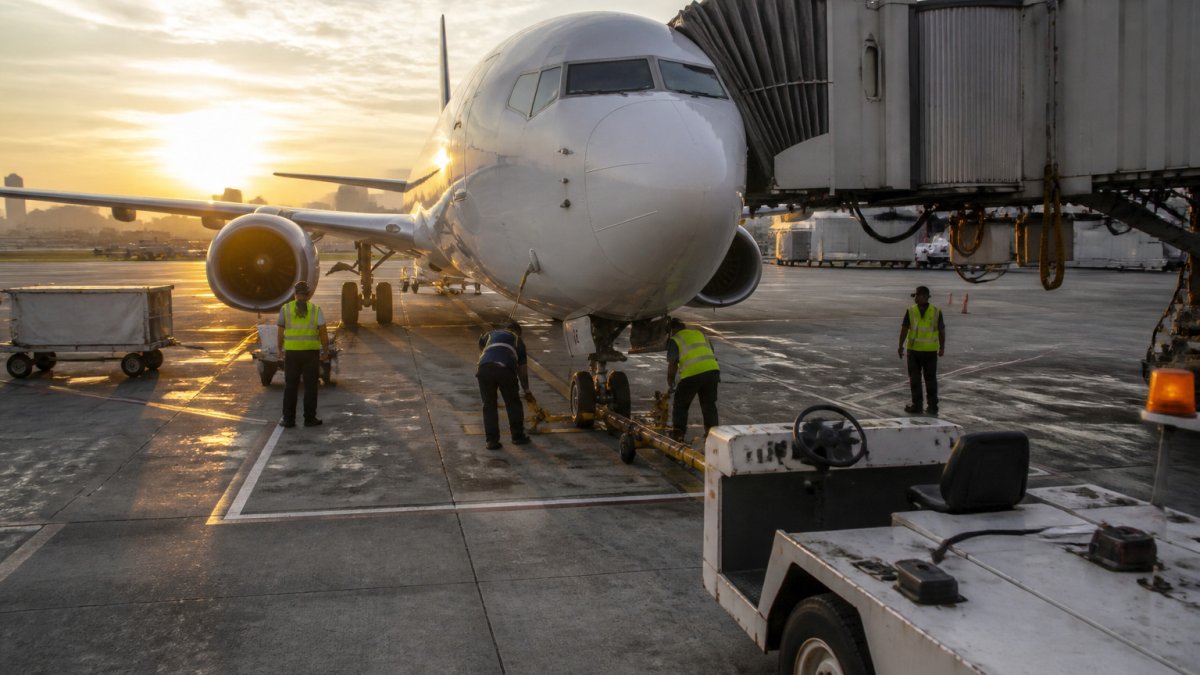
The airport authority and the hub carrier. The region's largest airport is operated by a county aviation department. Airlines operating there hire their own station operations, ramp, cargo, and customer-service staff.
Cargo and logistics. The region is a major air cargo gateway, with dedicated cargo campuses and freight carriers operating warehouse, sortation, and ramp functions. Cargo operations roles often run overnight and reward people who can work accurately under time pressure.
Business aviation and fixed-base operators. Fixed-base operators (FBOs) provide fueling, hangaring, ground handling, and customer service for private and corporate aircraft. These roles are smaller-scale than airline work but offer faster exposure to a wider range of aircraft and responsibilities, which is useful early in a career.
Maintenance, repair, and overhaul. Independent MRO facilities and airline maintenance bases in the region hire technicians, planners, and parts and logistics staff. These employers are a direct destination for graduates with Airframe and Powerplant credentials and a common first stop for those building experience toward larger carriers.
Public-sector and federal aviation. Beyond the airport authority, graduates can look at federal aviation roles posted through USAJOBS, including air traffic control specialist trainee positions, aviation safety inspector roles (which generally require substantial prior experience), and airport planning and grants roles in agencies that fund and oversee airports.
How progression works across these employers. A realistic path often starts in ground services or line service, moves into an operations agent or coordinator role after a year or two, and then branches toward supervision, safety and compliance, or planning.
Pay by career stage. Pay varies with collective bargaining agreements and local labor markets. Check the Bureau of Labor Statistics Occupational Employment and Wage Statistics data for the region and the specific employer's published pay scale.
Watch out: operations roles at different employers can share a title but carry very different schedules, union status, and promotion ladders, so ask about shift structure and advancement before accepting an offer.
Aircraft Dispatcher Career Path and Requirements
Aircraft dispatchers share responsibility with pilots for the safety and planning of each flight. They review weather, fuel, aircraft performance and routing before a flight departs. The role is technical and demanding, and it has specific certification requirements.
Dispatcher work in the United States is governed by Federal Aviation Administration rules under 14 CFR Part 65. Candidates typically need to complete an FAA-approved dispatcher course and pass the Aircraft Dispatcher Knowledge Test. Training covers meteorology, aerodynamics, aviation regulations and weight and balance computations. Many airlines also expect strong analytical skills and comfort with fast decision-making.
Many graduates use dispatcher training as a direct route into airline operations. If you are considering this path, review the FAA's own dispatcher certification guidance at FAA Aircraft Dispatcher certification requirements before committing to a program.
Airline, Maintenance and Air Traffic Roles
Airlines, maintenance organizations and air traffic control employ a large share of aviation professionals. These roles often require more formal credentials than ground positions.
Aircraft maintenance technicians typically need an FAA Airframe and Powerplant certificate, which can be earned through an FAA-approved school or through work experience. Air traffic controllers must complete FAA selection, training and certification, and the process is competitive.
Flight attendant and airline customer service roles usually require a high school diploma, strong customer-facing skills and airline-specific training. Each airline sets its own hiring criteria, so check current openings directly with the carriers you want to join.
The roles below summarise the credentials each group of aviation employers typically expects.
| Role | Credential expected | Notes |
|---|---|---|
| Aircraft maintenance technician | FAA Airframe and Powerplant certificate | Earned at an FAA-approved school or through work experience |
| Air traffic controller | FAA selection, training and certification | Process is competitive |
| Flight attendant | High school diploma plus airline training | Each airline sets its own hiring criteria |
| Airline customer service | Strong customer-facing skills | Check current openings directly with carriers |
Licenses, Certifications and Qualifications Employers Expect
Employers in aviation look for proof that you meet regulatory and safety standards. The credentials you need depend on the role, but a few appear again and again.
- FAA certificates: Dispatcher certification under Part 65, Airframe and Powerplant certificates for maintenance, and pilot certificates for flight roles.
- Aviation degrees or diplomas: Useful for operations, management and planning positions.
- Safety and security training: Expected for most airport and ramp work.
- Background checks and drug testing: Standard for airport and airline employment, particularly in secure areas.
- Computer and communication skills: Increasingly important for dispatch, operations planning and customer service.
Requirements change over time, so confirm current rules with the agency or employer before you apply.
Running an Effective Aviation Graduate Job Search
A focused search beats a broad one. Start by choosing two or three role categories that match your training, then research the employers that hire for them.
Check the careers pages of Miami International Airport operators, major airlines and cargo carriers. Many airport employers also post openings through the city's own job portals. Keep a simple tracker that lists each role, the posting date, the required credentials and your application status.
A common mistake is applying only to advertised roles. Many ramp, operations and maintenance openings are filled through referrals. Reach out to instructors, alumni and current employees, and ask about upcoming needs. Tailor each résumé to the specific credential and duties in the posting, and mention any hands-on work or safety training you completed during school.
Starting Your Aviation Career: Choosing Your Next Step
Pick the path that matches your current credentials and your long-term goal. If you are new to the industry, an entry-level ground or passenger role can get you inside an airline or airport within months. If you already hold a dispatcher or technical credential, target roles that use it directly.
For graduates who want structured training that prepares them for dispatcher work, QNH LLC offers FAA-approved Part 65 Aircraft Dispatcher Certification training in Miami. The program includes 200 classroom hours, small classes with individual attention and instruction from college professors, airline pilots and former FAA Dispatcher Examiners. Learn more about the FAA-approved dispatcher course and what it includes and how dispatcher careers and requirements work.
Before you commit to any program, weigh the time and cost against the roles it opens. Is dispatcher school worth the investment? is a good place to start that comparison. If job placement support matters to you, look for training programs that include job placement help. When you are ready to take the next step, how to enroll in an FAA aircraft dispatcher course walks you through the process.
Frequently Asked Questions
What jobs can you do with an aviation degree?
An aviation degree opens doors in several areas: airport operations and management, ground services, aircraft dispatch, aviation safety and inspection, airline customer and passenger services, and aviation administration. Many graduates start in entry-level operations roles and move into supervisory or specialist positions as they gain experience. Degree holders often find it easier to qualify for roles that list a degree as preferred, and certifications such as dispatcher credentials can add a further advantage. Review job postings at Miami-area airports and airlines to see which titles match your coursework.
What entry-level aviation jobs are available to graduates?
Common entry-level aviation jobs include ramp agent, ground service representative, operations agent, passenger service agent, and junior dispatcher or operations assistant positions. These roles usually require a high school diploma or an associate or bachelor's degree, along with strong communication skills and a clean background check. Entry-level pay varies by employer and role, so check current postings for exact wage ranges. Many airlines and airport contractors promote from within, so starting in an operational role can lead to supervisory or specialist positions.
Can aviation graduates work in airport operations or administration?
Yes. Aviation graduates regularly work in airport operations, which covers daily coordination of runways, gates, ground equipment and passenger flow, as well as in airport administration roles such as planning, finance, and compliance. Employers often look for graduates who understand federal aviation rules and can communicate clearly under pressure. Internships with airport departments or airline operations can help you qualify for these positions and build a local professional network.
How can aviation graduates find their first job?
Start with online job boards, airline and airport careers pages, and the career services office at your school. Tailor your resume to each posting by matching the keywords in the job description, and list any internships, certifications, or relevant coursework. Attend local aviation industry events and career fairs to meet hiring managers. Follow up on applications after one to two weeks, and treat each interview as a chance to explain how your training fits the operation's daily needs.