 comparison
Aircraft Dispatcher vs Pilot: Career Comparison Guide
Table of Contents
- Aircraft Dispatcher vs Pilot: Core Roles and Responsibilities
- Aircraft Dispatcher Requirements and FAA Certification Path
- How to Become an Airline Pilot: Training and Licensing
- Training Time and Costs: Dispatcher vs Pilot
- FAA Aircraft Dispatcher Certification and Career Outlook
- Aircraft Dispatcher Salary and Pilot Earnings Compared
- Work Schedules, Lifestyle, and Career Progression
- How Dispatchers and Pilots Work Together
- Frequently Asked Questions
Last Updated: October 17, 2026
Aircraft Dispatcher vs Pilot: Core Roles and Responsibilities
The aircraft dispatcher vs pilot comparison reveals two distinct but interdependent aviation careers. Both demand expertise, certification, and attention to safety, yet they operate in different environments with different responsibilities. Understanding each role is the first step toward choosing your path.
What an Aircraft Dispatcher Does
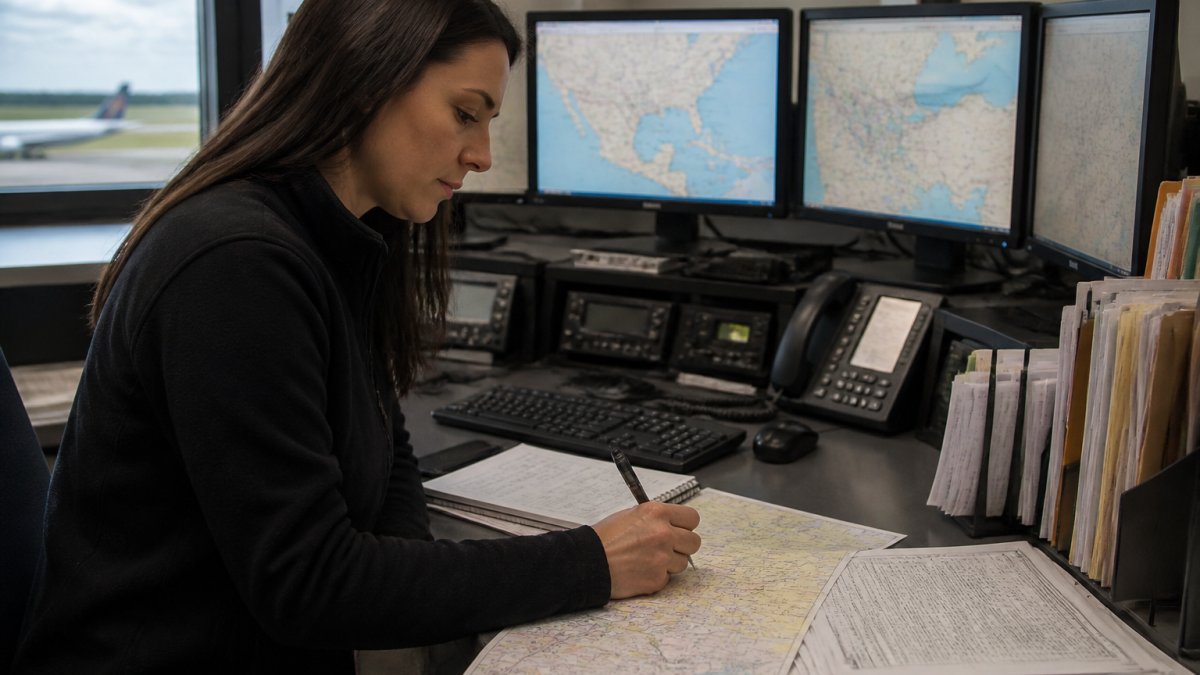
An aircraft dispatcher is the operational backbone of flight safety on the ground. Before a pilot enters the cockpit, the dispatcher has planned the entire flight: route, fuel, weather, alternate airports, and weight-and-balance. The dispatcher shares responsibility with the captain for the safety and legality of every flight.
During flight, the dispatcher monitors weather, delays, and aircraft performance. If a storm moves into the route or mechanical issues develop, the dispatcher alerts the pilot and may recommend route changes, fuel stops, or diversions. This real-time decision-making requires deep knowledge of meteorology, aerodynamics, regulations, and aircraft performance. Dispatchers work in climate-controlled operations centers on rotating shifts, managing dozens of flights while remaining grounded.
What an Airline Pilot Does
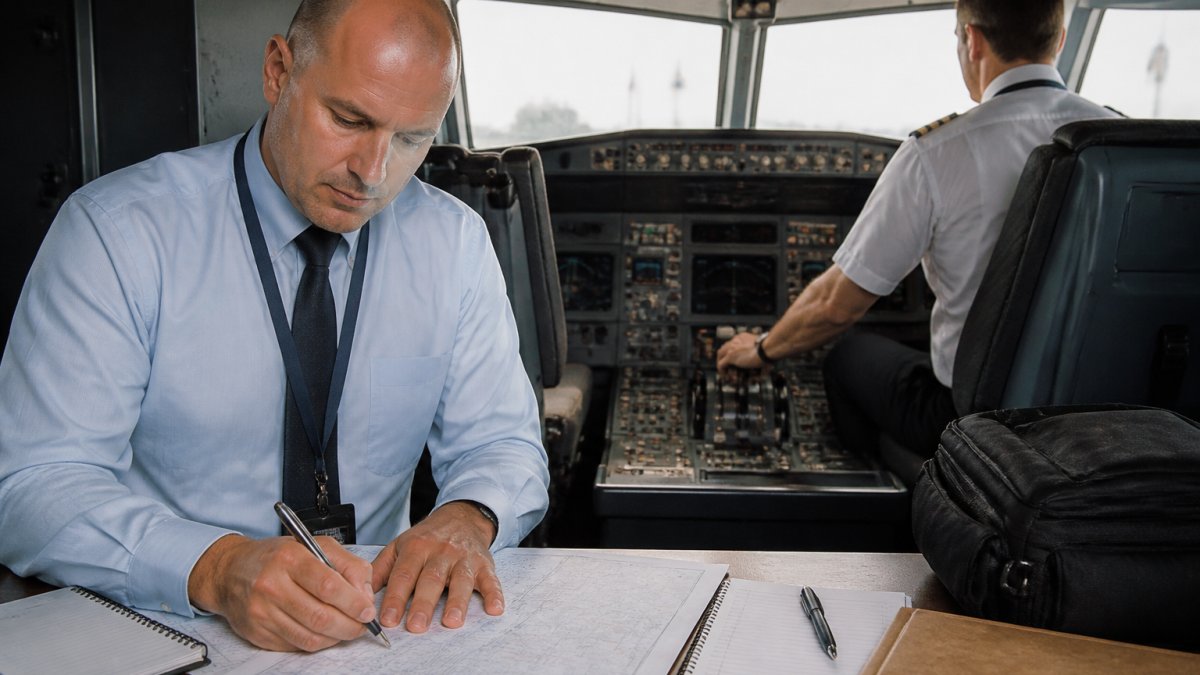
An airline pilot operates the aircraft and commands the flight crew. The captain holds final authority over all operational decisions from takeoff through landing. First officers assist with flying, managing systems, and communicating with air traffic control. Both require mastery of aircraft systems, navigation, weather interpretation, and emergency procedures.
Pilots spend significant time away from home, often 3-4 days per trip for regional carriers and longer internationally. The job involves early departures, irregular schedules, and fatigue management, but also downtime during preflight briefings, cruise flight, and post-flight duties. The role combines technical precision with leadership responsibility for passenger safety.
Aircraft Dispatcher Requirements and FAA Certification Path
Becoming an aircraft dispatcher requires meeting FAA Part 65 standards: you must be at least 23, fluent in English, and pass a medical evaluation (less stringent than pilot requirements). Most importantly, you need two years of aviation work experience or completion of an FAA-approved dispatcher training program.
The FAA Aircraft Dispatcher Certificate requires passing the ADX written exam, an oral exam, and a practical exam.
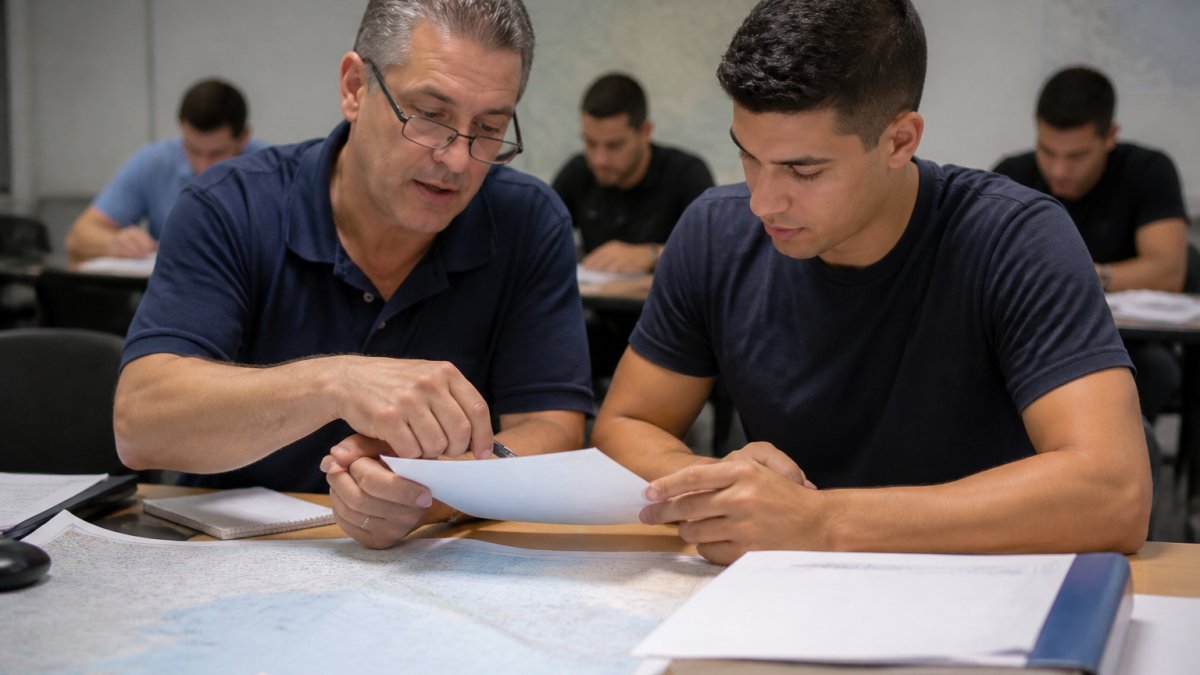
An FAA-approved program like QNH LLC's Part 65 curriculum provides the structured foundation most candidates need. QNH LLC's 200-classroom-hour program covers meteorology, aerodynamics, weight and balance, aviation law, and operational decision-making, taught by experienced airline pilots, college professors, and former FAA examiners.
How to Become an Airline Pilot: Training and Licensing
Becoming an airline pilot is a longer, more expensive path. The FAA requires a minimum of 1,500 flight hours for an Airline Transport Pilot (ATP) certificate, the credential required to serve as captain. Most pilots build these hours through flight training, instructing, and regional airline flying.
The typical progression is: Private Pilot Certificate (70-100 hours) → Commercial Pilot Certificate (250+ hours) → Flight Instructor Certificate → Regional Airline First Officer (building hours toward ATP). Each certificate requires written, oral, and practical exams.
Regional first officers typically fly 75-90 hours per month while earning seniority toward major airline positions. Advancement to captain at a major airline can take 10-15 years, depending on hiring cycles and growth.
Training Time and Costs: Dispatcher vs Pilot
The dispatcher path is faster and less expensive, but the gap is larger than most comparisons admit once you itemize every cost.
Dispatcher training: line-item costs
A dispatcher certificate program typically runs 6-12 weeks full-time (longer part-time). The major cost buckets are:
- Tuition for an FAA-approved Part 65 program: most programs vary in cost, with 200-classroom-hour curricula typically at the higher end.
- Written exam (ADX) fee: administered at FAA-approved testing centers, costs can vary per attempt.
- Oral and practical exam: usually included in program tuition or charged separately by the examiner, costs can vary.
- Medical evaluation: a second-class medical certificate exam can vary at an aviation medical examiner.
- Study materials and headset/plotter/E6B: costs can vary, though many programs bundle ground-school access.
- Living expenses during training: the real wildcard, 6-12 weeks without income.
A realistic all-in figure for the dispatcher path, excluding living costs, can vary. QNH LLC's program delivers 200 classroom hours and includes free Gleim Online Ground School access with fall class registration, removing a separate study-material line item.
Pilot training: line-item costs
Pilot training is a multi-year, six-figure investment. The cost drivers are:
- Private Pilot Certificate: 40 FAA minimum hours, but 60-75 realistic; costs can vary.
- Instrument Rating: 40 hours simulated/actual instrument; costs can vary.
- Commercial Pilot Certificate: 250 total hours required; costs can vary depending on how hours are built.
- Certified Flight Instructor (CFI/CFII): costs can vary, and it is a common way to build hours toward ATP.
- Time-building to 1,500 hours: the largest variable, costs per hour can vary, and remaining hours can be substantial unless offset by instructing income.
- ATP-CTP course and ATP written: required before the ATP practical; costs can vary for the course plus exam fees.
- First Class Medical: costs can vary per exam, repeated annually or semi-annually.
A realistic all-in figure from zero hours to ATP, before instructor income offsets, can be substantial. Financing options include flight-school loans, airline cadet programs, and GI Bill benefits at approved Part 141 schools, but debt service on a six-figure loan can consume a first officer's early earnings.
Side-by-side summary
| Credential | Realistic Time to Certification | Realistic All-In Cost (excl. living) | Income During Training |
|---|---|---|---|
| Aircraft Dispatcher | 6-12 weeks | ~$5,000-$10,000 | None (short window) |
| Airline Pilot (to ATP) | 3-5 years | ~$200,000-$400,000 | CFI income partially offsets |
The dispatcher path lets you enter the workforce within months and start earning. The pilot path requires years of training and significant financial commitment before employment begins, and the financing structure, not just the sticker price, is a major decision factor.
FAA Aircraft Dispatcher Certification and Career Outlook
Once certified, an aircraft dispatcher can work for any FAA-regulated airline or charter operator. The FAA Aircraft Dispatcher Certificate is a federal credential recognized industry-wide; it doesn't expire as long as you maintain currency and comply with FAA regulations.
Career progression typically follows: Line Dispatcher → Senior Dispatcher → Supervisor → Operations Manager. Many dispatchers later move into airline management, safety, or training. The role offers stability: dispatchers are essential to airline operations and cannot be easily replaced.
Dispatcher hiring is steady but cyclical; airlines hire most aggressively during expansion or after downturns when staffing has been reduced.
Aircraft Dispatcher Salary and Pilot Earnings Compared
Pay is where the two careers diverge most, but headline ranges hide the real comparison. Break compensation down by experience tier, employer type, and total compensation, base pay plus per diem, retirement contributions, and benefits.
Dispatcher compensation by tier
Dispatcher pay scales with airline size and seniority, and is typically governed by collective bargaining agreements at major carriers.
- Regional carrier, entry: can vary in the first 1-3 years.
- Major carrier, entry: can vary.
- Major carrier, 5-10 years: can vary.
- Major carrier, senior/supervisor: can vary.
Dispatchers typically receive health insurance, 401(k) with employer match, and flight benefits. They generally do not receive per diem because they do not travel for work.
Pilot compensation by tier
Pilot pay is strongly seniority-driven and varies widely by aircraft type and carrier.
- Regional first officer, year 1-3: can vary, plus per diem.
- Regional captain: can vary.
- Major first officer: can vary depending on aircraft.
- Major captain, widebody: can vary at top seniority.
Pilots also receive per diem (can vary per hour away from base), 401(k) contributions that at major carriers can reach 15-17% of pay, and profit sharing at some airlines. Those items can add 15-25% to base compensation and are frequently omitted from simple salary comparisons.
Total compensation comparison
| Experience Tier | Dispatcher (base + benefits) | Pilot (base + per diem + retirement) |
|---|---|---|
| Entry (0-3 yrs) | ~$50,000-$75,000 | ~$60,000-$100,000 |
| Mid (5-10 yrs) | ~$95,000-$130,000 | ~$120,000-$220,000 |
| Senior (15+ yrs) | ~$130,000-$170,000 | ~$250,000-$400,000+ |
The financial break-even point favors pilots long-term, captain-level earnings far exceed dispatcher pay. However, when you factor in $200,000-$400,000 in training costs, 3-5 years of low or no income, and the time value of money, dispatchers reach financial stability much faster and carry far less debt. A dispatcher earning $60,000 at age 24 has a decade of earnings and retirement contributions before a pilot on the same timeline finishes time-building.
Work Schedules, Lifestyle, and Career Progression
Dispatchers work in operations centers on rotating day, evening, and night shifts, often including weekends and holidays. The job is mentally demanding, managing multiple flights, making time-critical decisions, and sharing responsibility for safety, but you go home at the end of your shift, with no weeks away from family or jet lag.
Pilots have irregular schedules dictated by flight assignments. A first officer might work a four-day trip with early departures, then have three days off; the pattern repeats but specific days vary.
Dispatcher advancement is steady but gradual; supervisory and management roles exist, but the path is narrower than pilot advancement. Pilots progress clearly: first officer → captain → check airman → management, and many later move into safety, training, or consulting.
How Dispatchers and Pilots Work Together
The dispatcher-pilot relationship is one of shared responsibility and constant communication. Before flight, the dispatcher prepares the flight release covering route, fuel, weather briefing, and alternate airports.
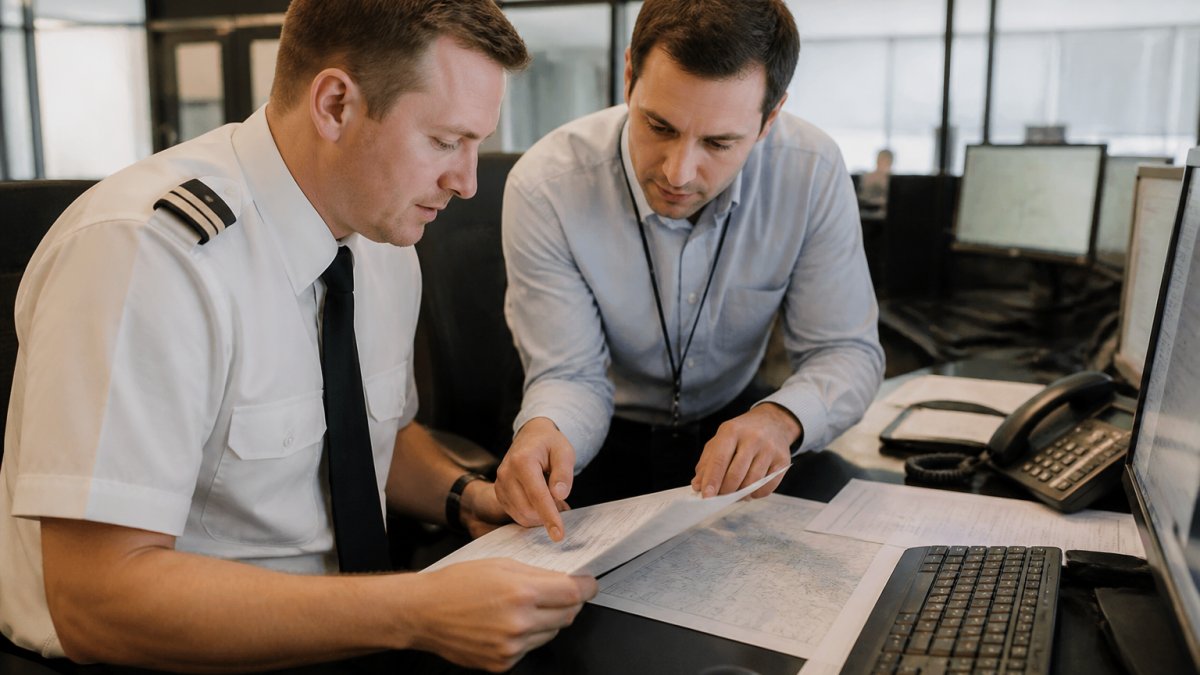
During flight, the dispatcher monitors progress and weather ahead.
This partnership is built on mutual respect and clear communication.
Choosing between an aircraft dispatcher and airline pilot career depends on your priorities. If you value entering the workforce quickly, earning a stable income, and maintaining regular time at home, the dispatcher path is compelling.
At QNH LLC, we prepare candidates for the dispatcher career through rigorous, FAA-approved Part 65 training. Graduates emerge ready to pass the ADX exam and pursue dispatcher positions. The FAA's Aircraft Dispatcher Certificate requirements outline the regulatory standards we meet and exceed.
Frequently Asked Questions
Who earns more: an aircraft dispatcher or an airline pilot?
Airline pilots typically earn more than aircraft dispatchers. Pilot compensation varies by airline, experience, and position (first officer vs captain), while dispatcher salaries are more standardized. Entry-level pilots earn less than experienced dispatchers, but as pilots advance to captain positions at major airlines, they significantly outpace dispatcher earnings. The exact difference depends on seniority, airline size, and regional versus major carrier status.
How long does it take to become an aircraft dispatcher compared with a pilot?
Aircraft dispatcher certification requires approximately 200 classroom hours and passing the FAA written and oral exams, typically completed in weeks to a few months. Pilot training takes significantly longer: 250+ flight hours for a commercial pilot certificate, often requiring 18-24 months of full-time study and flight training. Becoming a captain at a major airline adds another 5-10 years of experience. Dispatchers enter the workforce faster, while pilot careers involve a longer training and advancement timeline.
Can an aircraft dispatcher become a pilot?
Yes, aircraft dispatchers can transition to pilot careers. Dispatcher experience provides valuable aviation knowledge, including flight operations, weather analysis, and regulatory compliance, which transfer well to pilot training. However, dispatchers must complete full pilot certification from scratch, including flight hours and licensing requirements. Many dispatchers pursue this transition because their aviation background accelerates learning, though the time and financial investment remains substantial compared to starting fresh.
What does an aircraft dispatcher do during a typical shift?
Dispatchers monitor flights from an operations center, handling flight planning, weather analysis, route optimization, and real-time flight following. They communicate with pilots, air traffic control, and crew scheduling to manage operational challenges like weather delays or aircraft maintenance. Dispatchers also prepare flight releases, monitor fuel planning, and make decisions about alternate airports and route changes. The role requires constant attention and quick decision-making to ensure safety and on-time performance.