 comparison
Aircraft Dispatcher Training Center: What to Know
Table of Contents
- What Makes a Quality Aircraft Dispatcher Training Center
- Aircraft Dispatcher Training Duration and Course Structure
- FAA-Approved Aircraft Dispatcher Schools: Verification and Standards
- Online Aircraft Dispatcher Training vs. In-Person Instruction
- Aircraft Dispatcher Training Cost and Financial Planning
- Key Curriculum Topics: Meteorology, Regulations, and Aircraft Systems
- Instructor Credentials and Teaching Methods That Prepare You for Success
- Selecting the Right Training Center for Your Career Goals
- Frequently Asked Questions
Last Updated: October 10, 2026
What Makes a Quality Aircraft Dispatcher Training Center
A quality aircraft dispatcher training center delivers FAA-approved instruction with experienced instructors, small class sizes, and curriculum covering meteorology, aviation regulations, and aircraft systems.
QNH LLC's Miami-based aircraft dispatcher training center employs former FAA Dispatcher Examiners, airline pilots, and college professors using the Socratic Method to develop critical thinking, ensuring students understand the reasoning behind dispatcher decisions.
Quality programs combine instructor credibility (examiners and active pilots), small classes with individual attention, and curriculum that builds operational knowledge beyond test prep.
Aircraft Dispatcher Training Duration and Course Structure
The FAA requires 200 classroom hours for aircraft dispatcher training. A quality aircraft dispatcher training center structures these hours to build knowledge progressively.
The best programs start with foundational concepts, weather systems, aircraft performance, navigation, before moving to complex operational scenarios. By week three or four, students tackle realistic flight-planning problems under pressure.
QNH LLC's 200-classroom-hour aircraft dispatcher training center program progresses from meteorology and aircraft systems, through regulations and policy, to realistic scenarios where students defend flight plans against examiner questioning.
FAA-Approved Aircraft Dispatcher Schools: Verification and Standards
How to Verify FAA Approval
Not every training provider claiming FAA approval holds Part 65 certification. Verify approval through the FAA's official database of approved schools before enrolling.
Ask for the school's Part 65 certificate number, approval date, and scope. Legitimate schools display this proudly.
Red flags include vague claims like "FAA-recognized" or "FAA-aligned" without actual Part 65 certification. The only meaningful credential is Part 65 approval.
Part 65 Certification Requirements
Part 65 of the Federal Aviation Regulations establishes standards for aircraft dispatcher certification and training schools, covering instructor qualifications, facilities, curriculum, and examination procedures.
Part 65 instructors must hold an Aircraft Dispatcher Certificate. Quality programs hire former FAA examiners or active airline pilots, who understand nuances the exam tests.
Curriculum must cover meteorology, aircraft systems, navigation, regulations, and operational policy. Quality programs like QNH LLC integrate them into realistic scenarios rather than separate modules.
FAA Part 65 regulations and approved schools database
Online Aircraft Dispatcher Training vs. In-Person Instruction
Online aircraft dispatcher training offers flexibility but may not provide the hands-on learning needed for the ADX exam's practical component, where examiners test real-scenario problem-solving.
In-person instruction provides immediate feedback and exposure to how experienced dispatchers think. When an instructor challenges your flight plan, you learn the reasoning behind regulations.
QNH LLC delivers full-time, in-person aircraft dispatcher training in Miami with small class sizes, allowing instructors to understand individual learning gaps and adjust teaching on the fly.
Aircraft Dispatcher Training Cost and Financial Planning
Aircraft dispatcher training is a significant investment. Costs vary by program length, instructor credentials, and included materials, so prospective students deserve clear breakdowns.
Typical Cost Components
A full-time aircraft dispatcher training program typically includes tuition, study materials, practice exams and mock oral sessions, facility and technology costs, materials and supplies, and travel/accommodation if relocating.
Financing and Payment Options
Funding pathways include employer sponsorship, payment plans, third-party financing, GI Bill and veterans benefits, and professional development funds from employers or unions.
Evaluating True Value
Compare first-attempt pass rates, instructor credentials, class size, job placement support, and retake policies.
Questions to Ask About Cost
When contacting an aircraft dispatcher training center, ask: (1) total tuition and what it includes, (2) whether materials and exams are included, (3) first-attempt pass rate, (4) retake training cost, (5) payment plan options, (6) job placement rate, and (7) any hidden fees.
Transparent schools answer these questions directly. Schools that deflect or cite only base tuition without explaining what's included are signaling that cost comparison is difficult by design.
Key Curriculum Topics: Meteorology, Regulations, and Aircraft Systems
Meteorology, aviation regulations, and aircraft systems knowledge form the core curriculum. Meteorology drives operational decisions; regulations provide the legal framework; aircraft systems knowledge reveals performance limitations. A quality aircraft dispatcher training center integrates these topics into realistic scenarios rather than teaching them separately.
QNH LLC's curriculum emphasizes practical application. Weight and balance computations, flight planning under real constraints, and decision-making under pressure are woven throughout the program. This approach builds the judgment that separates competent dispatchers from those who struggle in their first months on the job.
FAA Aircraft Dispatcher Certificate requirements and exam standards
Instructor Credentials and Teaching Methods That Prepare You for Success
The instructor makes or breaks an aircraft dispatcher training center. Former FAA Dispatcher Examiners know what the exam tests; active airline pilots know what dispatchers actually do; skilled professors use the Socratic Method to build critical thinking. When interviewing a training center, ask how many instructors have worked as dispatchers, examined dispatchers for the FAA, or hold advanced degrees in aviation.
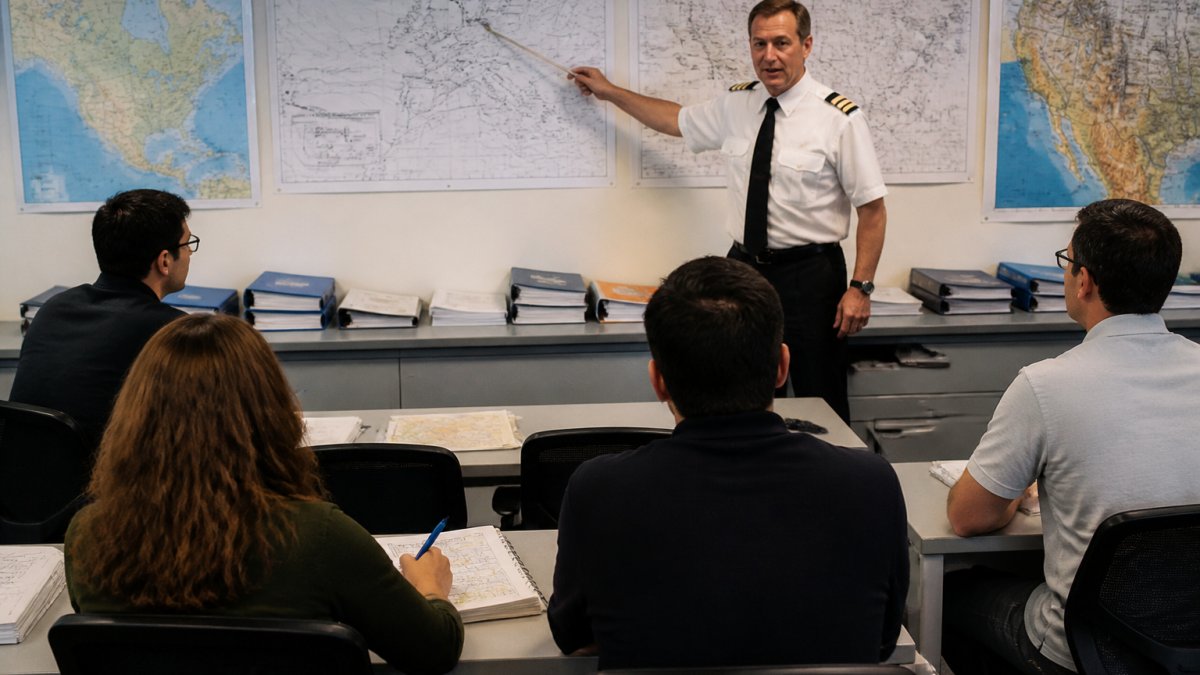
Small class sizes amplify instructor quality. Your instructor can ask targeted questions, identify misconceptions immediately, and adjust pacing, building higher confidence for the ADX exam.
Selecting the Right Training Center for Your Career Goals
Your choice of aircraft dispatcher training center shapes your preparation and career trajectory. Instructor credibility, small class sizes, integrated curriculum, and verifiable outcomes matter more than cost alone.
Evaluate Concrete Outcomes, Not Just Promises
Before enrolling, ask for evidence of success:
First-Attempt Pass Rate on the ADX Exam: A quality aircraft dispatcher training center should report the percentage of students passing on their first attempt. Programs with experienced instructors and small classes achieve 85-95% pass rates; generic or online-only programs often fall below 75%. Ask for this in writing and whether it includes all enrolled students.
Time to Certification: Full-time, in-person programs take five to eight weeks; part-time or hybrid programs take three to six months. Understand the timeline for your career transition.
Job Placement and Employment Outcomes: A quality program should report that 80% or more of graduates are employed as dispatchers within six months of certification. Schools that avoid this question may lack strong placement outcomes.
Employer Relationships: Schools with partnerships with airlines, recruiter visits, and instructor connections in the industry produce faster employment outcomes.
Retake Success Rate: Ask what percentage of students who don't pass on the first attempt pass on the second. This reveals whether retake support is effective.
Match the Program to Your Situation
Internal Airline Candidate: Prioritize instruction quality over cost; your airline expects first-attempt success. Ask whether they have a preferred training center.
Career Changer with Self-Funding: Calculate total cost and compare to dispatcher salaries ($50,000-$80,000 first year, $100,000+ with seniority). Seek programs with payment plans or employer-partnership financing.
Working Professional: Part-time programs require more discipline and produce lower pass rates. If possible, negotiate time off for full-time training; concentrated learning justifies the interruption.
Limited Aviation Background: Seek programs with strong foundational instruction, small classes, and the Socratic Method. Ask about pre-training materials or primer courses.
Red Flags and Green Flags
Green Flags:
- Instructors with verifiable FAA examiner or airline dispatcher experience
- Small class sizes
- Transparent pricing with itemized cost breakdowns
- Willingness to provide first-attempt pass rates and job placement data
- Curriculum that integrates meteorology, regulations, and aircraft systems into realistic scenarios
- Employer partnerships or recruiter visits
- Clear retake policy and support
- Accreditation or approval visible on the FAA's official Part 65 school list
Red Flags:
- Vague claims like "FAA-aligned" or "FAA-recognized" without actual Part 65 certification
- Instructors with no verifiable aviation background
- Large class sizes
- Refusal to disclose pass rates or job placement data
- Curriculum taught in isolation (meteorology, then regulations, then aircraft systems) rather than integrated
- No employer connections or job placement support
- Unclear or hidden fees
- Pressure to enroll without time to research or ask questions
Questions to Ask Before Enrolling
- Instructor Background: How many instructors have worked as dispatchers? How many have examined dispatchers for the FAA? What are their current aviation credentials?
- Pass Rates: What percentage of your students pass the ADX exam on the first attempt?
- Class Size: How many students are typically in each class?
- Job Placement: What percentage of graduates are employed as dispatchers? Do you track this data?
- Curriculum Integration: How do you teach meteorology, regulations, and aircraft systems? Are they taught separately or integrated into realistic flight-planning scenarios?
- Retake Support: If I don't pass the ADX exam on my first attempt, what retake training do you offer? Is it included in tuition or charged separately?
- Employer Connections: Do you have partnerships with airlines or dispatch service providers? Do recruiters visit your school?
- Cost Breakdown: Can you provide a detailed list of all costs, including tuition, materials, practice exams, and any fees?
- Financing: Do you offer payment plans, employer billing, or partnerships with education lenders?
- Verification: Can you provide your FAA Part 65 certificate number and the date of your most recent approval?
Schools that answer these questions directly and provide verifiable data are signaling confidence in their program and commitment to student success. Schools that deflect, provide vague answers, or pressure you to decide quickly are warning signs.
Frequently Asked Questions
How long does aircraft dispatcher training take?
FAA Part 65 Aircraft Dispatcher Certification requires a minimum of 200 classroom hours. Most full-time programs complete this in 4-6 weeks, while part-time or evening options extend over 8-12 weeks. The exact duration depends on the training center's schedule and whether you attend full-time, part-time, or hybrid classes. Additional study time outside the classroom is needed for exam preparation.
What is the total cost of aircraft dispatcher training?
Aircraft dispatcher training cost varies by program, delivery method, and included resources. Factors affecting price include instructor credentials, classroom facilities, exam preparation materials, and whether online ground school access is bundled. Contact your chosen training center directly for current pricing, payment plans, and any promotional offers. Some programs include supplemental study materials or exam retake support in their tuition.
Is online aircraft dispatcher training as effective as in-person instruction?
Online aircraft dispatcher training works well for self-directed learners with aviation background, but in-person and hybrid programs offer advantages for complex topics like weight and balance calculations and real-time exam preparation. Small classroom instruction allows instructors to adapt to individual learning pace and address misconceptions immediately.
How do I verify that an aircraft dispatcher school is FAA-approved?
FAA-approved aircraft dispatcher schools must hold Part 65 certification authority. Verify approval by checking the school's documentation, asking for their FAA approval letter, and confirming they follow the mandated 200-hour curriculum covering meteorology, aviation regulations, aircraft systems, and flight planning. Legitimate schools openly share instructor credentials and pass rates. Be cautious of programs claiming to prepare you for the ADX exam without formal FAA Part 65 approval.