 how-to
Aircraft Dispatcher Remote Work: What's Actually Possible
Table of Contents
- What Is an Aircraft Dispatcher and Why Remote Work Matters
- The Reality of Remote Aircraft Dispatcher Jobs
- Aircraft Dispatcher Job Requirements for Remote Positions
- Where Remote Aircraft Dispatcher Jobs Actually Exist
- Aircraft Dispatcher Job Search Tips for Remote Opportunities
- Aircraft Dispatcher Job Demand and Career Growth
- How to Position Yourself for Remote or Hybrid Dispatcher Roles
- Frequently Asked Questions
Last Updated: October 20, 2026
What Is an Aircraft Dispatcher and Why Remote Work Matters
An aircraft dispatcher is a licensed aviation professional who plans flight routes, monitors weather, and coordinates between pilots and ground crews, with some opportunities in aircraft dispatcher remote work depending on operation type and employer. Dispatchers hold operational control over flights and need knowledge of aviation regulations, meteorology, aerodynamics, and flight planning.
Remote work for aircraft dispatchers isn't straightforward: the role sits at the intersection of strict FAA regulations and operational necessity. Understanding where remote aircraft dispatcher work exists requires knowing both the regulatory landscape and the practical realities of flight operations.
QNH LLC trains candidates for the FAA Aircraft Dispatcher certification exam. The answer depends on the operation type, the employer, and what "remote" actually means.
The Reality of Remote Aircraft Dispatcher Jobs
Most aircraft dispatcher positions are not fully remote, and the reason is structural. Under 14 CFR Part 121, a domestic or flag air carrier must have enough qualified dispatchers on duty to ensure operational control over every flight, authority over initiating, conducting, or terminating a flight.
The regulatory mechanism, not the job title, sets the limit
A dispatcher's core legal output is the dispatch release: the document that, with the flight plan, authorizes a flight and specifies route, altitude, fuel, and alternates. When weather, a mechanical issue, or traffic changes the picture, the dispatcher and pilot in command share joint responsibility for the go/no-go decision.
The technical stack that makes remote dispatching hard
Even where an employer is willing, the systems involved are not consumer-grade. A dispatcher typically touches:
- Flight-planning and flight-following software (often a vendor platform such as those used for computerized flight planning and weather briefing) that is licensed per seat and hosted on the carrier's network
- Company weather and NOTAM feeds, plus the carrier's own operations manual and minimum-equipment lists
- A dedicated voice communications system for reaching crews, often with recorded lines for recordkeeping
- The carrier's dispatch release and records system, which must be auditable
Remote access generally requires a managed VPN, multi-factor authentication, an approved home network, and a company-issued workstation; many carriers also require a dedicated, private room and prohibit unapproved devices.
What hybrid actually looks like
Hybrid arrangements are more common than fully remote ones, but they usually split work by task rather than by day. A dispatcher might do flight planning, route optimization, crew scheduling support, or training modules from home, then work in the operations center for active shifts where releases are issued and flights monitored.
Why the type of operation matters
These constraints apply most strictly to Part 121 commercial airlines, which run large, interconnected networks and face the heaviest recordkeeping and operational-control obligations. Part 135 charter and on-demand operators have different rules and smaller fleets, which can make distributed dispatch more feasible, but they have fewer dispatchers and less infrastructure.
Aircraft Dispatcher Job Requirements for Remote Positions
To work as an aircraft dispatcher, whether remote, hybrid, or on-site, you need an FAA Dispatcher Certificate, which requires passing the ADX exam covering aviation safety, regulations, meteorology, flight planning, and operational decision-making.
The certification path involves:
- Completing 200 classroom hours of approved training
- Studying aeronautical knowledge areas including weather, navigation, and aircraft performance
- Learning weight and balance computations and flight planning procedures
- Mastering FAA regulations under Part 65 (Certification: Airmen Other Than Pilots)
- Passing the written ADX exam with a minimum score of 70%
Most employers require more than the certificate: strong communication skills, attention to detail, and the ability to decide under pressure. Many prefer candidates with aviation background, military experience, or prior dispatcher training.
For remote or hybrid roles, employers look for self-discipline, reliability, and comfort with digital communication tools, proof you can handle operational responsibilities without in-person supervision.
QNH LLC's FAA-approved Part 65 training program covers all these requirements through 200 classroom hours of instruction, including meteorology, aerodynamics, aviation laws, and practical weight and balance training, exactly what the ADX exam tests and what dispatchers need in the field.
Where Remote Aircraft Dispatcher Jobs Actually Exist
The useful question isn't "which companies allow remote work" but "which operations can satisfy operational control without a shared dispatch center." Corporate aviation and fractional/charter operations are where hybrid and partially remote dispatch is most plausible; Part 121 airline operations remain overwhelmingly on-site.
Corporate aviation and private flight departments
Companies that operate their own aircraft, corporate flight departments, oil and gas operators, agricultural and utility aviation, often run small dispatch functions, employing one or a few dispatchers or combining dispatch with scheduling and flight planning. Corporate operators still expect the FAA Aircraft Dispatcher Certificate and reachability while a flight is in progress.
Fractional ownership and charter operators
Fractional ownership programs and on-demand charter companies sit between corporate and commercial aviation, centralizing dispatch for a shared fleet and distributing workload across time zones.
Third-party dispatch and flight-planning service providers
A smaller number of companies provide dispatch or flight-planning services to multiple operators, sometimes offering partially remote roles because they serve several clients across locations.
Flight training and small flight operations
Flight schools and small air-taxi or emerging operators sometimes need dispatch support for their own aircraft. These roles are usually part-time or combined with other duties, with remote work possible for scheduling and planning.
Why Part 121 airline operations stay on-site
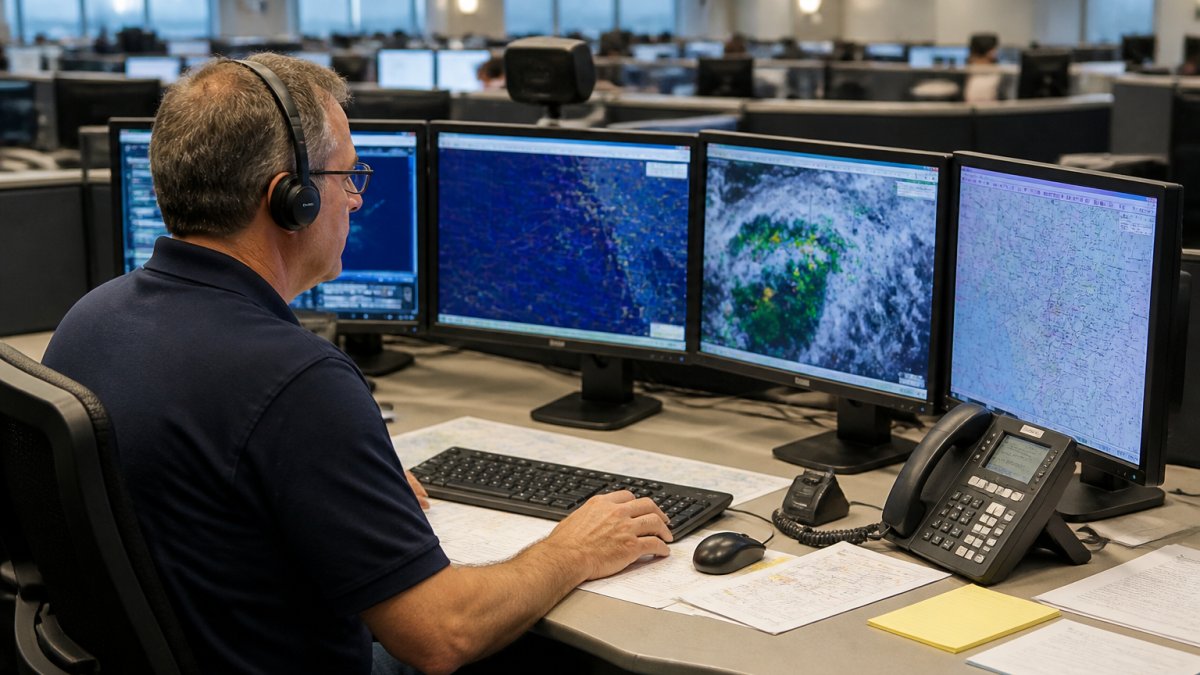
Major and regional airlines run 24/7 dispatch centers where dispatchers work in teams, hand off flights at shift change, and coordinate with maintenance, crew scheduling, and air traffic. The operational-control requirements described earlier are easiest to satisfy when dispatchers are in one place.
How to tell hybrid from fully remote
When evaluating a posting, separate the tasks. If the role involves issuing dispatch releases, maintaining flight following, and real-time crew communication, expect on-site or hybrid work with required center shifts.
Aircraft Dispatcher Job Search Tips for Remote Opportunities
Finding a remote or hybrid aircraft dispatcher position requires knowing where to look and what employers actually offer.
Target the Right Employers
Focus your search on:
- Corporate flight departments (search company websites directly)
- Fractional ownership programs and charter operators
- Third-party dispatch service providers
- Flight training centers that dispatch their own aircraft
- Air taxi and emerging aviation services
These employers are more likely to offer remote or hybrid options than major commercial airlines.
Use Specific Search Terms
On job boards, use phrases like "aircraft dispatcher remote work," "hybrid dispatch," or "corporate flight dispatcher." Generic aviation sites may not filter well for remote roles, so check company career pages directly.
Network in Aviation Circles
Many remote dispatcher positions aren't posted publicly. Connect with other dispatchers, attend aviation conferences, and join professional groups. Word-of-mouth referrals often lead to the most flexible opportunities.
Ask Direct Questions in Interviews
Don't assume a job posting's description matches the actual work arrangement. Ask:
- What percentage of time is spent in the operations center vs. remote?
- Are there scheduled on-site shifts required?
- What communication tools and systems are used for remote work?
- Is the position hybrid or fully remote?
Get Your Certification First
Most employers won't consider candidates without an FAA Dispatcher Certificate. Complete your training and pass the ADX exam before applying. This credential is non-negotiable for any dispatcher role, remote or otherwise.
QNH LLC's training program prepares you for the ADX exam through small-class instruction from experienced airline pilots and former FAA examiners. Our graduates understand not just how to pass the test, but how to think like dispatchers, which makes them more competitive for the positions that do offer flexibility.
Aircraft Dispatcher Job Demand and Career Growth
FAA oversight of Part 121 and Part 135 operations means every commercial flight and many charter flights require a licensed dispatcher.
Career growth for dispatchers typically follows this path:
- Entry-level dispatcher: Handle routine flight planning and monitoring under supervision
- Senior dispatcher: Lead shift operations, mentor junior staff, handle complex decision-making
- Supervisor or manager: Oversee dispatch operations, hire and train staff, manage scheduling
- Specialized roles: Weather analysis, training, regulatory compliance, or dispatch automation
The transition to remote or hybrid work usually comes after gaining experience: new dispatchers start in traditional operations centers, and some later move into hybrid arrangements or specialized remote positions.
Salary growth also accelerates with experience and specialization.
How to Position Yourself for Remote or Hybrid Dispatcher Roles
Landing a remote or hybrid position requires strategic career moves beyond just getting certified.
Build Your Foundation
Start with your FAA Dispatcher Certificate through rigorous training that emphasizes real-world dispatcher thinking, not just exam prep.
Gain Experience in Traditional Roles
Most remote dispatcher positions go to candidates with 2-5 years of experience in standard operations centers, which proves you understand dispatch operations, can handle pressure, know the regulatory environment, and can work independently.
Specialize in a Niche
Develop expertise in an area that translates to remote work: flight planning, weather analysis, crew scheduling, or dispatch automation.
Target Growing Sectors
Corporate aviation, fractional ownership, and emerging aviation services are expanding faster than traditional airlines and are more willing to experiment with flexible work arrangements because they're not locked into legacy carriers' operational models.
Network Strategically
Build relationships with dispatchers, operations managers, and flight departments, many remote positions are filled through referrals before they're posted. Attend industry events, join professional associations, and stay connected with your network.
Document Your Reliability
Employers hesitant about remote dispatchers want proof you can work independently. Highlight your communication skills, attention to detail, and record of meeting deadlines, and make any complex projects or high-pressure situations visible in your resume and interviews.
The aircraft dispatcher career offers genuine responsibility for aviation safety. Remote work opportunities exist but aren't the default, they're earned through certification, experience, specialization, and strategic positioning.
If you're serious about becoming a dispatcher, whether remote or on-site, start with quality training. QNH LLC's FAA-approved Part 65 program gives you the foundation to pass the ADX exam and understand how dispatchers actually think and work.
Frequently Asked Questions
Can aircraft dispatchers work remotely?
Most Part 121 and Part 135 commercial airline dispatchers must work on-site due to FAA operational control requirements. However, remote aircraft dispatcher work exists in corporate aviation, charter operations, and some specialized roles. The FAA Aircraft Dispatcher License requires real-time decision-making authority over flight operations, which typically demands physical presence in a dispatch center. Remote positions are rare but possible in niche segments where operational control can be maintained through secure technology infrastructure.
What aircraft dispatcher job requirements apply to remote positions?
All remote aircraft dispatcher jobs require the FAA Aircraft Dispatcher Certificate (obtained through Part 65 training), aeronautical knowledge, and often 1-2 years of prior aviation experience. Remote roles additionally demand strong self-discipline, excellent communication skills, and comfort with digital dispatch systems. Many corporate and charter operators require proficiency with specific flight planning software and weather analysis tools. Your ability to demonstrate reliability and independent decision-making becomes even more critical when working outside a traditional dispatch center environment.
Are aircraft dispatchers in demand?
Yes. Demand is highest in commercial aviation (Part 121 carriers), but corporate and charter operations are actively recruiting. This creates opportunities for new dispatchers entering the field, though most entry-level positions remain on-site until you build experience and credentials.
What aircraft dispatcher job search tips help you find remote opportunities?
Target corporate aviation departments, charter operators, and fractional ownership companies rather than major airlines. Network with flight departments at large corporations and contact aviation staffing agencies that specialize in remote placements. Search job boards using keywords like 'remote dispatcher,' 'corporate aviation,' and 'charter operations.' Check company career pages directly, many remote positions never appear on general job boards. Highlight your FAA certification prominently and emphasize any experience with dispatch software platforms. Building relationships with flight operations managers often leads to remote opportunities before they're publicly posted.